Can Smart City Tech Foster Inclusive Urban Spaces?
This curation investigates the potential of smart city technology to create urban environments that benefit all citizens. By examining various initiatives and theoretical frameworks, we seek to understand whether these innovations truly promote inclusivity or merely serve a privileged few.
- ReadSmart city · Wikipedia
Defines the concept of a smart city and its goals of sustainability, efficiency, and social inclusion.
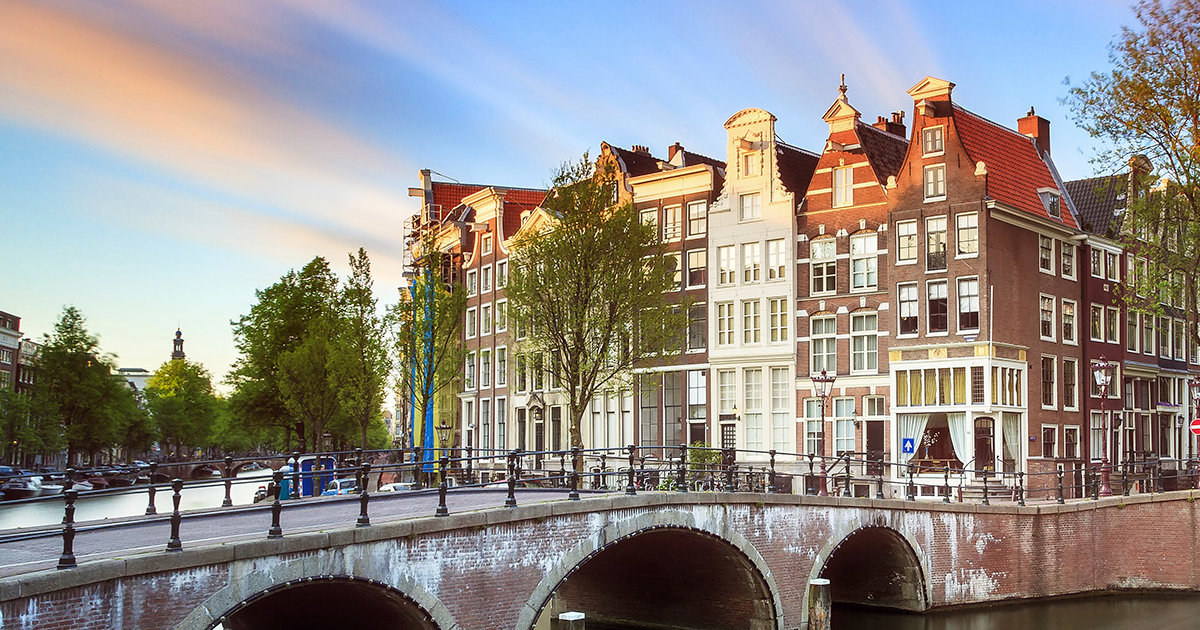
- ReadSix Lessons From Amsterdam’s Smart City Initiative · MIT Sloan Management Review
Analyzes Amsterdam's smart city initiative, showcasing lessons learned from its innovative approach to urban services.
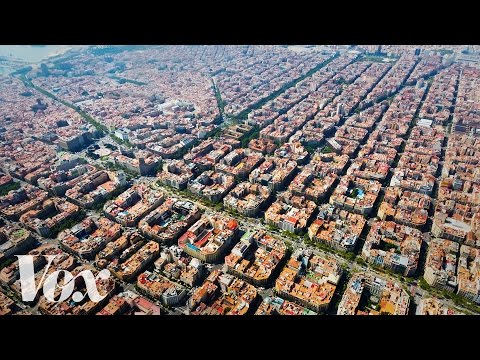
- WatchSuperblocks: How Barcelona is taking city streets back from cars · YouTube
Illustrates Barcelona's Superblocks initiative, demonstrating a shift in urban design that prioritizes pedestrians over cars.
- BookSmart Cities: Big Data, Civic Hackers, and the Quest for a New Utopia · Bookshop.org
Examines the historical context and implications of smart city developments, arguing for a critical perspective on their impact on urban life.

The selected pieces collectively illustrate the multifaceted nature of smart cities, from foundational definitions to practical examples and critical analyses. They highlight both the successes and challenges faced in integrating technology into urban planning, ultimately questioning the inclusivity of these advancements.