How Algorithms Can Entrench Societal Inequalities
Algorithms are often touted as impartial tools for decision-making, yet they frequently reinforce existing societal biases. This curation explores how algorithmic bias manifests in various domains, highlighting the disparity in outcomes based on race and privilege.
- ReadAlgorithmic bias · Wikipedia
Defines algorithmic bias as a systematic tendency that creates unfair outcomes, highlighting its implications in sociotechnical systems.
- ReadPolicing Bias · Greater Good Magazine
Reports on studies showing that police officers exhibit racial bias, leading to quicker decisions to shoot black suspects compared to white suspects.
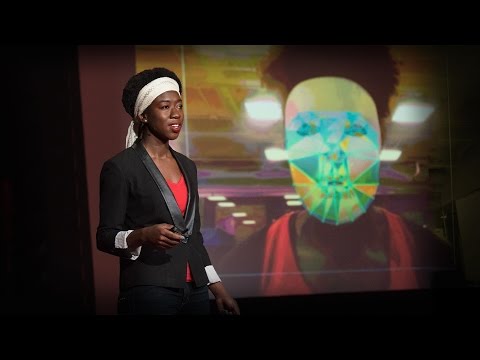
- WatchHow I'm fighting bias in algorithms | Joy Buolamwini · YouTube
Shares Joy Buolamwini's experience with facial recognition software that failed to recognize her face, underscoring the lack of diversity in algorithm training.
- BookWeapons of Math Destruction · Bookshop.org
Examines how algorithms increasingly govern critical life decisions, revealing the hidden biases that perpetuate inequality in society.


Each selected piece delves into different aspects of algorithmic bias, illustrating its pervasive impact on marginalized communities. From foundational definitions to real-world implications in policing and facial recognition, this curation culminates in a comprehensive understanding of the systemic issues at play.