Navigating the Ethics of Medical Research: A Historical Perspective
The ethical landscape of medical research is fraught with moral dilemmas that challenge our understanding of scientific progress. This curation examines pivotal moments in history that reveal the complexities and consequences of medical experimentation on human subjects.
- ReadResearch ethics · Wikipedia
Defines the scope of research ethics, focusing on integrity, misconduct, and the treatment of human and animal subjects.
- ReadTuskegee Syphilis Study · Wikipedia
Details the Tuskegee Study, illustrating the unethical observation of untreated syphilis in African American men without informed consent.
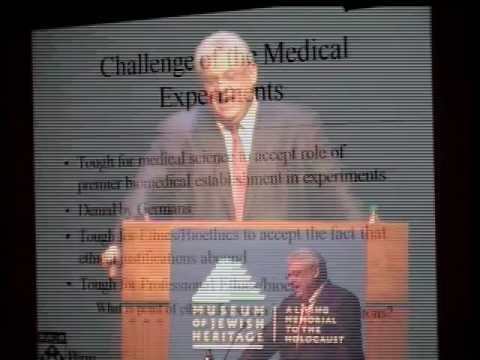
- WatchMedicine and Medical Ethics in Nazi Germany · YouTube
Examines the role of medicine during the Holocaust, highlighting the moral failures of medical professionals and the implications for ethics.
- BookThe Immortal Life of Henrietta Lacks · Bookshop.org
Tells the story of Henrietta Lacks, whose cells were used for groundbreaking research without her knowledge, raising issues of consent and exploitation.

Each piece in this curation highlights a significant ethical breach or dilemma in medical research, showcasing the tension between scientific advancement and moral responsibility. Together, they provide a comprehensive view of how past injustices inform contemporary ethical standards in research.