The Illusion of Elegance: Fashion as Social Armor
The Gilded Age was a time of opulence that often concealed the stark realities of societal issues. Fashion served as both a status symbol and a tool for social control, reflecting the complexities of class and power dynamics.
- ReadGilded Age · Wikipedia
Defines the Gilded Age as a transformative period in U.S. history, highlighting its significance between Reconstruction and the Progressive Era.
- ReadIs "Political" the New Black? - JSTOR Daily · JSTOR Daily
Argues that the fashion industry, valued at 2.4 trillion dollars, has historically influenced social change while often remaining detached from political discourse.
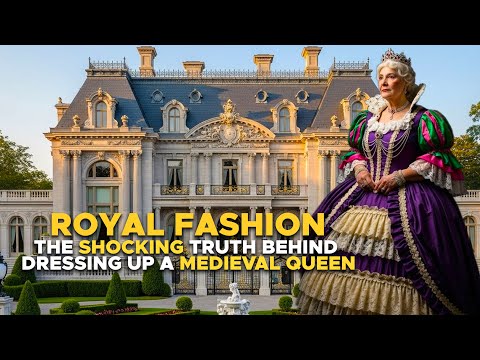
- WatchThe Shocking Truth of ROYAL FASHION in the Gilded Age. · YouTube
Shows how royal fashion dazzled during the Gilded Age, while underlying strict societal rules and physical suffering enforced hierarchy and dominance.
- BookThe Gilded Age: A Tale of Today · Bookshop.org
Explores the origins of the term 'gilded age' as a critique of excess and superficiality, drawing from Twain and Warner's literary work.


This curation examines how fashion during the Gilded Age was not merely about aesthetics but also about reinforcing social hierarchies and masking deeper societal problems. Each piece contributes to a comprehensive understanding of the interplay between style and social commentary, revealing the contradictions inherent in this era's elegance.