The Linguistic Journey: Identity and Power Through Language
Languages serve as the backbone of cultural identity, shaping how communities perceive themselves and their place in the world. This curation explores the intricate relationship between language, identity, and power dynamics across historical and contemporary contexts.
- ReadHistorical linguistics · Wikipedia
Traces the evolution of languages and the factors driving linguistic change over time.
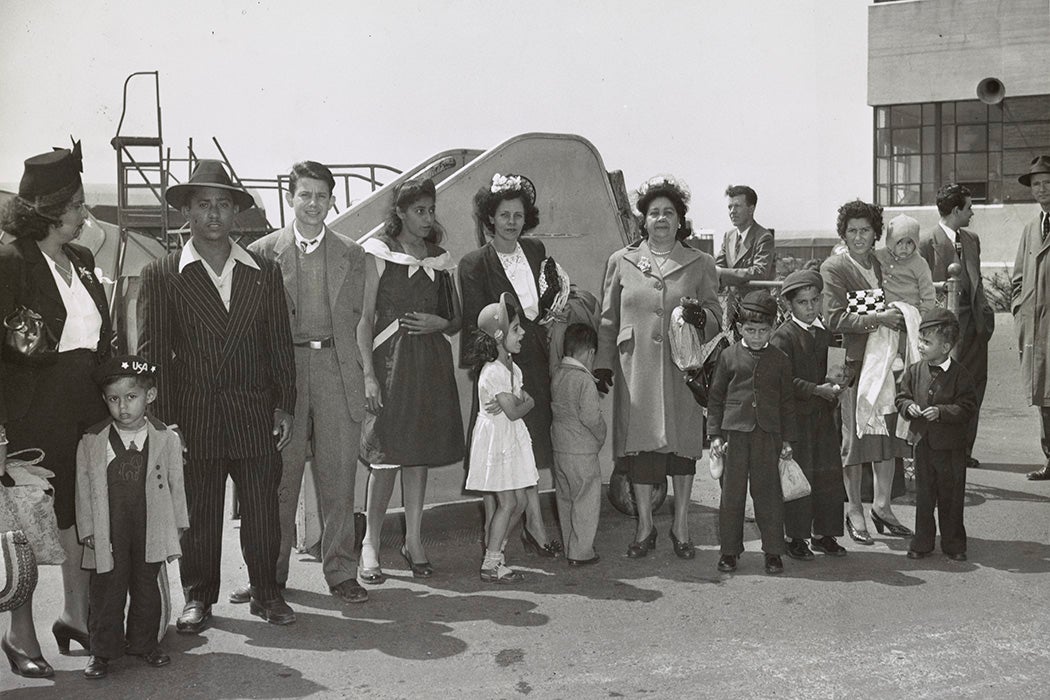
- ReadHow Migrant Labor Policies Shaped a Latino Identity - JSTOR Daily · JSTOR Daily
Argues that U.S. labor policies have shaped a distinct Latino identity through shared experiences of discrimination and economic necessity.
- WatchRooted in the Personal · YouTube
Shows how personal linguistic histories enrich the understanding of Caribbean identities in an academic setting.
- BookThe Power of Babel: A Natural History of Language · Bookshop.org
Explores the development of approximately six thousand languages, connecting their evolution to human history and cultural dynamics.


Each piece in this curation reveals a unique aspect of how languages evolve and influence cultural identities. From the historical roots of language change to the modern implications of migration and identity formation, these selections collectively illustrate the profound impact of language on societal structures and personal narratives.