After Muhammad's death, Muslims disputed who should lead
Abu Bakr, chosen as leader of the Muslim community after Muhammad through consultation, was regarded as first among equals, not as holding extraordinary spiritual authority or a unique ability to determine the correct Muslim view. Why did Muslims come to disagree about who should lead the community after Muhammad?
2 articles, 1 book
The reading path
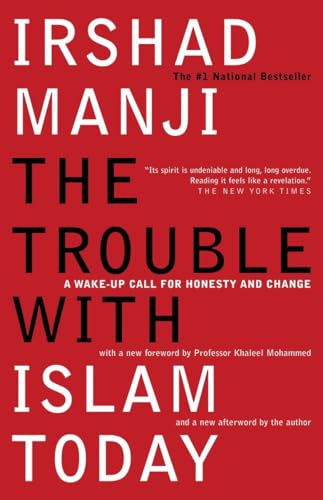
- BookThe Trouble with Islam Today: A Muslim's Call for Reform in Her Faith · Bookshop.org
Shi'as believe Muhammad appointed Ali, the fourth Rashidun caliph and a Shia Imam, his successor and that Ali was the rightful leader of the Muslims after Muhammad's passing. The rest of the Muslim community chose to follow what they believed to be Muhammad's guidance for choosing the next successor through consultation (shura). Shi'a Muslims believe their Imam must descend directly from Muhammad through his daughter Fatima and her husband Ali ibn Abi Talib, Muhammad's cousin and the fourth caliph. The Imam is regarded as sinless and infallible and appoints his successor, except in the Zaydi sub-group, where the Imam emerges.
- ReadShi'a · New World Encyclopedia
Abu Bakr was chosen by Shurah, or consultation, and Sunnis accepted his caliphate. As leader of the community, he was regarded as first among equals, not as possessing extraordinary spiritual authority or a unique ability to determine the correct Muslim view.
- ReadSunni Islam · New World Encyclopedia
The Trouble with Islam by Irshad Manji is a critical book about Islam, styled as an open letter to concerned citizens worldwide, Muslim or not.
Book links are Bookshop.org affiliate links. Curiate may earn a commission on purchases, at no extra cost to you — Bookshop.org also gives a share to independent bookshops.
Reading paths, built to arrive somewhere
Curiate turns what you are curious about into a short path — a quick lesson on an article, something to watch, and a book to go deep on. Free to browse.