Black voices in the ethical debates of the abolitionist movement
The ethical debates of the abolitionist movement concerned opposition to slavery on humanitarian grounds and political motivations for its removal.
2 articles, 1 book · about 1 hr 37 min of reading and viewing
The reading path
- Readthe ethical debates of the abolitionist movement · Wikipedia · 60+ min read
In the ethical debates of the abolitionist movement, historians and scholars have largely overlooked the work of black abolitionists, focusing on only a few, such as Frederick Douglass. Lesser-known black abolitionists, such as Martin Delany and James Monroe Whitfield, also played an undeniably large role in shaping the movement. Harriet Jacobs, an abolitionist who wrote letters in England about her experiences as a slave in the US, challenged the pro-slavery movement in the USA. Lengthy British reviews of her book show how it helped abolitionists win public support in Britain.
- Read"The Liberator" (U.S. National Park Service) · nps.gov · 5 min read
A committee of Black women headed by Elizabeth Riley and Bathsheba Fowler led fund raisers to get The Liberator off the ground, while Black leaders publicly endorsed the paper. Black Bostonians and other African Americans throughout the North largely sustained it in the early years, shaping abolitionist debate through their support.
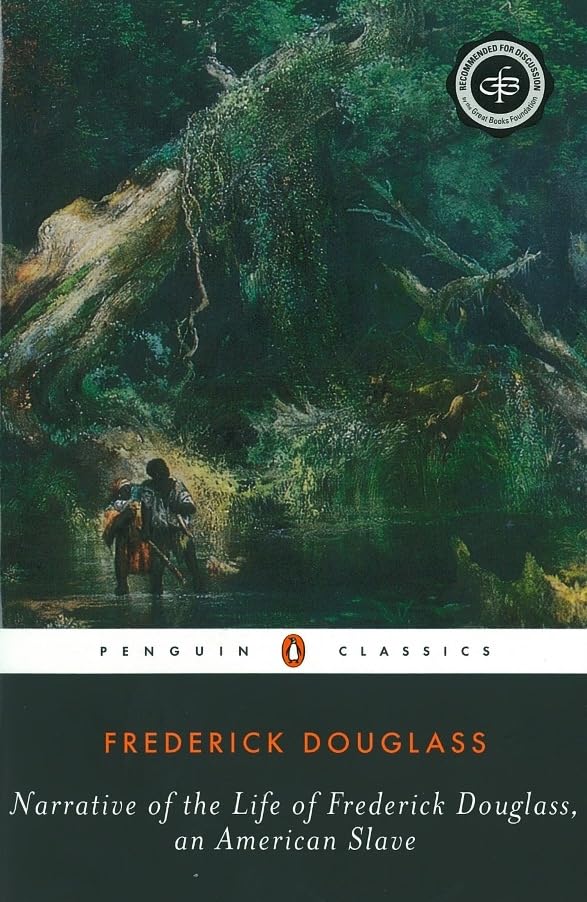
- BookThe Narrative of the Life of Frederick Douglass, an American Slave · Bookshop.org
The Narrative of the Life of Frederick Douglass, an American Slave by Frederick Douglass chronicles his experiences with owners and overseers and discusses how slavery affected both slaves and slaveholders.


Book links are Bookshop.org affiliate links. Curiate may earn a commission on purchases, at no extra cost to you — Bookshop.org also gives a share to independent bookshops.
Reading paths, built to arrive somewhere
Curiate turns what you are curious about into a short path — a quick lesson on an article, something to watch, and a book to go deep on. Free to browse.