Confronting Complicity in American Slavery
The history of slavery in the United States reveals a legal and social system that dehumanized millions, treating them as property from 1776 until 1865. The narratives of enslaved individuals, like Frederick Douglass, challenge readers to confront their own roles within this systemic injustice. Through personal accounts and historical analysis, the complexities of freedom and oppression are laid bare, prompting reflection on the enduring legacy of slavery. Understanding how complicity in such an institution shaped American society is essential for grappling with its lasting impacts.
- ReadSlavery in the United States · Wikipedia
Traces the legal institution of chattel slavery in the United States from its inception in 1776 until its abolition in 1865, highlighting its pervasive impact on national politics and economics. Slavery's legacy continued through segregation and sharecropping long after the Civil War.
- ReadThe Problem of Slavery | The Point Magazine · The Point Magazine
Examines the story of Solomon Northup, a free black man who was kidnapped and sold into slavery, illustrating the dehumanizing effects of slave society and the struggle for survival. Northup's narrative encapsulates the complex journey from freedom to enslavement and back.
- WatchHow Slavery Became Legal in America · YouTube
Analyzes the economic significance of slavery in 1860, revealing that enslaved people represented a capital investment greater than all railroads and factories combined. The documentary questions how such a morally reprehensible system became foundational to the United States.
- BookThe Narrative of the Life of Frederick Douglass, an American Slave · Bookshop.org
Chronicles Frederick Douglass's life as a runaway slave, detailing his experiences with slaveholders and the psychological toll of slavery on both enslaved individuals and their oppressors. Douglass's narrative serves as a powerful indictment of the institution of slavery.
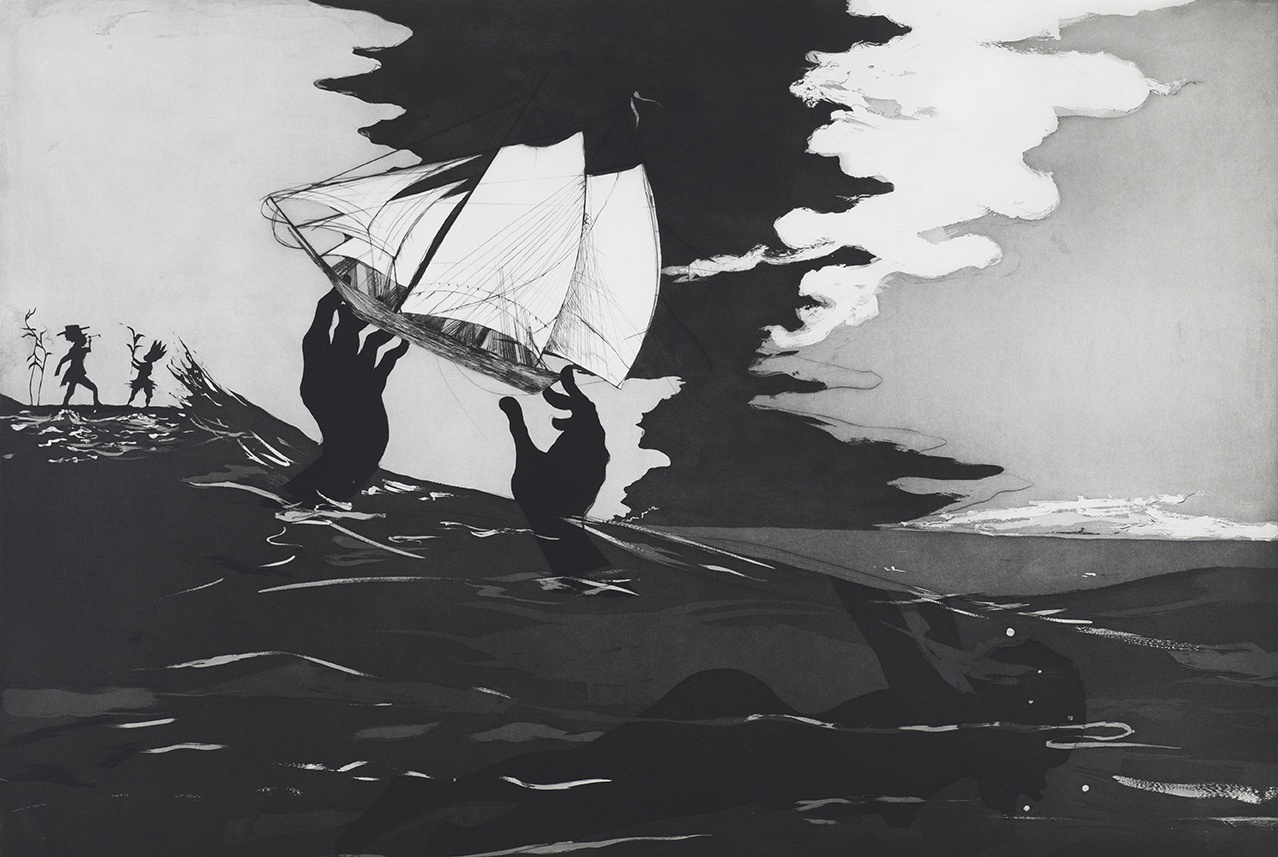
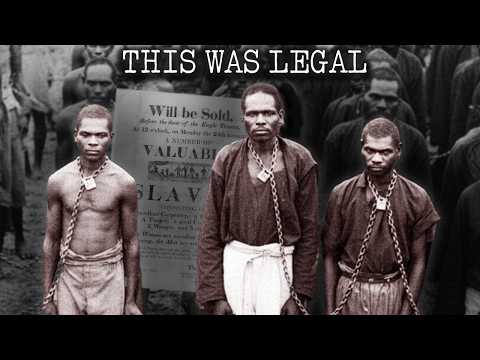
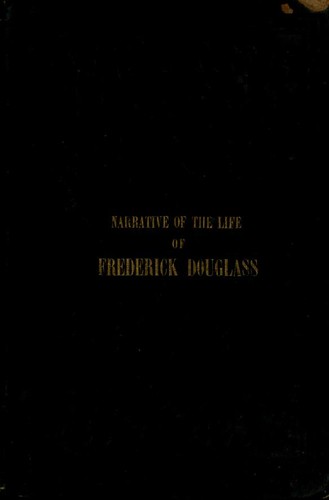
These pieces collectively illustrate the pervasive nature of slavery in American history, from its legal foundations to personal narratives of those who suffered under it. They guide the reader through a progression of understanding, starting with a broad overview of slavery's impact, moving through individual stories that highlight the human cost, and culminating in Douglass's powerful autobiographical account. This journey not only informs but also compels readers to reflect on their own complicity in systemic injustices that persist today.
Book links are Bookshop.org affiliate links. Curiate may earn a commission on purchases, at no extra cost to you — Bookshop.org also gives a share to independent bookshops.
Reading paths, built to arrive somewhere
Curiate turns what you are curious about into a short path — an entry point, something to watch, and the key book on the topic. Free to browse.