Are octopuses the most intelligent invertebrates
Octopuses, with their complex nervous systems and behavioral diversity, challenge traditional views of intelligence in the animal kingdom. Their unique adaptations, such as the ability to change shape and color, highlight their cognitive capabilities. Recent scientific discoveries suggest that specific genetic mutations may enhance their intelligence. Exploring these fascinating creatures opens up discussions about the nature of consciousness and intelligence across different species.
- ReadOctopus · Wikipedia
Defines the octopus as a soft-bodied mollusc with eight limbs and a complex nervous system, highlighting its behavioral diversity and intelligence among invertebrates.
- ReadWhy Are Some Octopuses So Smart? The Answer Might Lie in a Never-Before-Seen Mutation That Helps Them Accurately Build Proteins · Smithsonian Magazine
Reports on a mutation in octopuses' ribosomal RNA that may enhance their cognitive abilities, specifically in shallow-water species with advanced nervous systems.
- WatchMasterminds: Secrets of the Octopus (Full Episode) | National Geographic · YouTube
Demonstrates octopuses' self-taught problem-solving skills and strategic thinking, emphasizing their unique learning processes and adaptability in the wild.
- BookOther Minds: The Octopus, the Sea, and the Deep Origins of Consciousness · Bookshop.org
Explores the evolution of intelligence in cephalopods, arguing that their cognitive abilities represent a separate evolutionary path from mammals and birds.
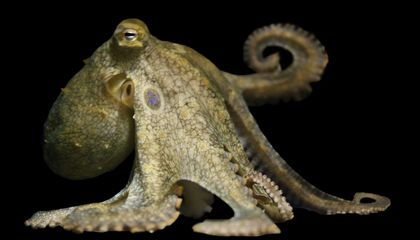


The selected pieces collectively illustrate the remarkable intelligence of octopuses through various lenses. Starting with foundational knowledge, the curation progresses to recent scientific findings, visual storytelling, and philosophical insights, culminating in a deeper understanding of cephalopod cognition. Each entry builds on the previous one, enriching the reader's perspective on the evolution of intelligence in the animal kingdom.
Book links are Bookshop.org affiliate links. Curiate may earn a commission on purchases, at no extra cost to you — Bookshop.org also gives a share to independent bookshops.
Reading paths, built to arrive somewhere
Curiate turns what you are curious about into a short path — an entry point, something to watch, and the key book on the topic. Free to browse.