The Impact of Language on Our Understanding of Reality
Language significantly shapes our perception of reality, influencing how we think and engage with our surroundings. The concept of linguistic relativity posits that the structure and vocabulary of our language can either constrain or enhance our cognitive abilities. Different languages provide distinct frameworks for understanding concepts such as time, space, and relationships, highlighting the intricate connection between language and thought. By exploring these relationships, we gain insight into the diversity of human experience across cultures.
- ReadLinguistic relativity · Wikipedia
Defines linguistic relativity and its implications for worldview and cognition, asserting that language influences cultural perceptions.
- Read5 Languages That Could Change the Way You See the World - Nautilus · Nautilus
Argues that the structure of languages can limit or enrich understanding, exemplified by Benjamin Lee Whorf's claims about time perception.
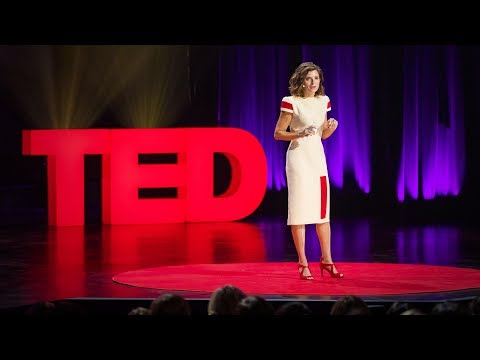
- WatchHow Language Shapes the Way We Think | Lera Boroditsky | TED · YouTube
Shows how diverse languages affect thought processes, highlighting examples like the Aboriginal community's use of cardinal directions and Russian's multiple terms for blue.
- BookThrough the Language Glass: Why the World Looks Different in Other Languages · Bookshop.org
Explores the complex relationship between language and culture, challenging the notion of universal language structures and demonstrating how language reflects cultural nuances.

The pieces in this curation collectively illustrate the relationship between language and cognition, beginning with a foundational overview of linguistic relativity. They progress through specific examples of how different languages shape perception, culminating in a comprehensive exploration of the interplay between language and culture in Guy Deutscher's book. This journey invites readers to consider the implications of language on their own understanding of the world, supported by empirical evidence and compelling arguments.
Book links are Bookshop.org affiliate links. Curiate may earn a commission on purchases, at no extra cost to you — Bookshop.org also gives a share to independent bookshops.
Reading paths, built to arrive somewhere
Curiate turns what you are curious about into a short path — an entry point, something to watch, and the key book on the topic. Free to browse.