Ethics of Isolation During Pandemics
The 1918 Spanish flu pandemic raised critical ethical questions about isolation and community safety. As communities faced the threat of a deadly virus, the balance between protecting public health and preserving individual rights became a pressing moral dilemma. Historical accounts reveal the devastating impact of the pandemic and the choices made by towns to quarantine themselves. These decisions resonate in contemporary discussions about health crises and societal responsibility.
- ReadSpanish flu · Wikipedia
Documents the 1918–1920 flu pandemic, detailing its origins and the staggering global impact, with an estimated 500 million infections and deaths ranging from 17 million to 100 million.
- ReadThe Flu Pandemic of 1918, As Reported in 1918 - JSTOR Daily · JSTOR Daily
Analyzes public sentiment during the 1918 Spanish flu outbreak, revealing that it was the most lethal pandemic since the Black Death and exploring the societal responses to the crisis.
- Watch1918: How The Spanish Flu Killed 50 Million People · YouTube
Presents a documentary that recounts personal testimonies and decisions made during the Spanish flu pandemic, emphasizing how a mutated bird flu virus led to widespread devastation.
- BookThe Last Town on Earth · Bookshop.org
Follows a small town in the Pacific Northwest as it votes to quarantine itself in response to the Spanish flu, raising questions about the ethics of isolation and community safety.
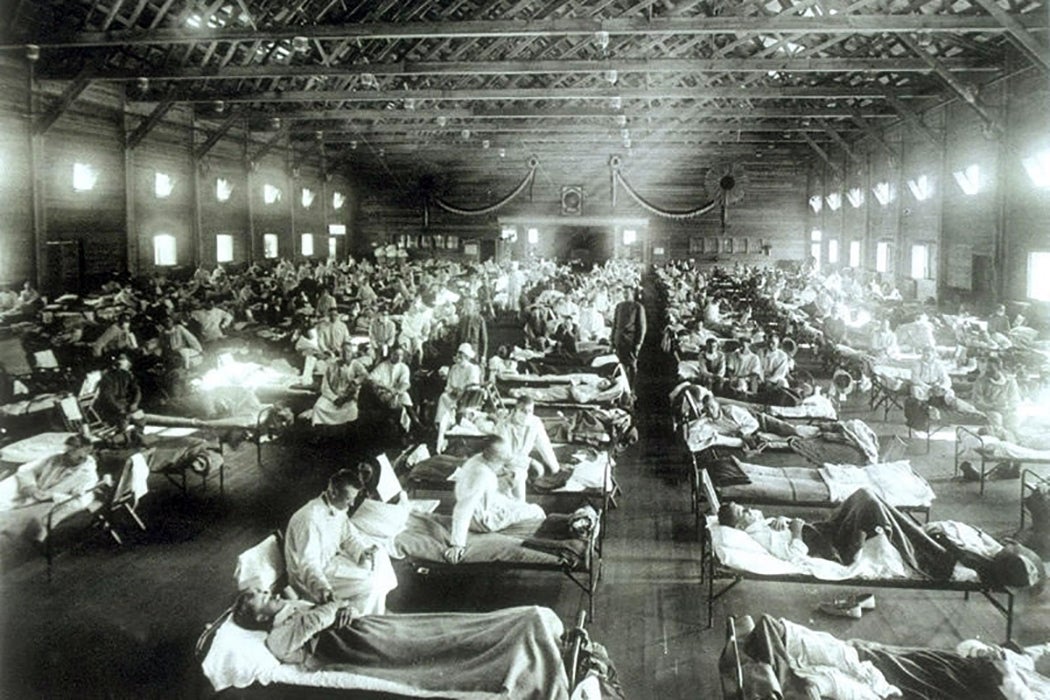


This curation begins with an overview of the Spanish flu pandemic, providing historical context and statistics that underscore its severity. It then shifts to contemporary reflections on the pandemic through firsthand accounts, illustrating the societal mindset during that time. Finally, it culminates in a fictional narrative that explores the moral complexities of isolation in a quarantined town, tying together the historical and ethical dimensions of the subject.
Book links are Bookshop.org affiliate links. Curiate may earn a commission on purchases, at no extra cost to you — Bookshop.org also gives a share to independent bookshops.
Reading paths, built to arrive somewhere
Curiate turns what you are curious about into a short path — an entry point, something to watch, and the key book on the topic. Free to browse.