Immortality and the Epic of Gilgamesh
Ancient Mesopotamian culture reveals humanity's enduring struggle against death, epitomized in the Epic of Gilgamesh. This narrative encapsulates the quest for immortality and the significant themes of friendship, loss, and the responsibilities of leadership. Through its rich mythology, Mesopotamia offers insight into early human beliefs about life, death, and the afterlife.
- ReadMesopotamian mythology · Wikipedia
Defines Mesopotamian mythology, encompassing myths and religious texts from ancient civilizations like Sumer and Akkad. These narratives, inscribed on clay tablets, provide critical insights into the region's cosmology and ideology.
- ReadEpic of Gilgamesh · Wikipedia
Chronicles the Epic of Gilgamesh as the oldest surviving narrative literature, originating from Sumerian poems about Gilgamesh, king of Uruk. The epic's oldest version dates back to the 18th century BCE, revealing its historical significance.
- WatchAncient Mesopotamia 101 | National Geographic · YouTube
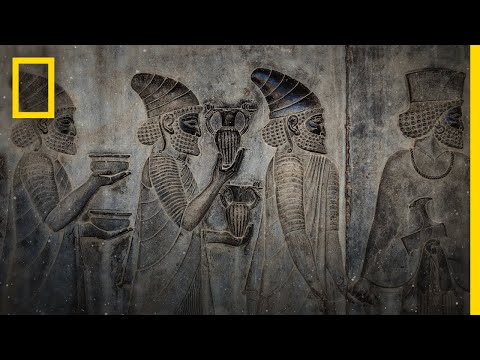
Explains how ancient Mesopotamia became the cradle of civilization, showcasing advancements in agriculture, mathematics, and literacy. The region's fertile land between the Tigris and Euphrates rivers fostered the development of the first cities.
- BookThe Epic of Gilgamesh · Bookshop.org
Describes the adventures of Gilgamesh and his quest for immortality alongside Enkidu, emphasizing the epic's exploration of human relationships and the fear of death. The narrative has survived for over four millennia, with ongoing discoveries of new fragments.

These pieces collectively illustrate the foundational myths and narratives of ancient Mesopotamia, culminating in the Epic of Gilgamesh, which serves as a poignant reflection on mortality. The progression from general mythology to specific literary works highlights the cultural significance of these stories and their impact on human thought. By tracing the evolution of the Gilgamesh narrative, readers can appreciate the depth of Mesopotamian ideology regarding life and death.
Book links are Bookshop.org affiliate links. Curiate may earn a commission on purchases, at no extra cost to you — Bookshop.org also gives a share to independent bookshops.
Reading paths, built to arrive somewhere
Curiate turns what you are curious about into a short path — an entry point, something to watch, and a book worth finishing. Free to browse.