How cities depend on imported food
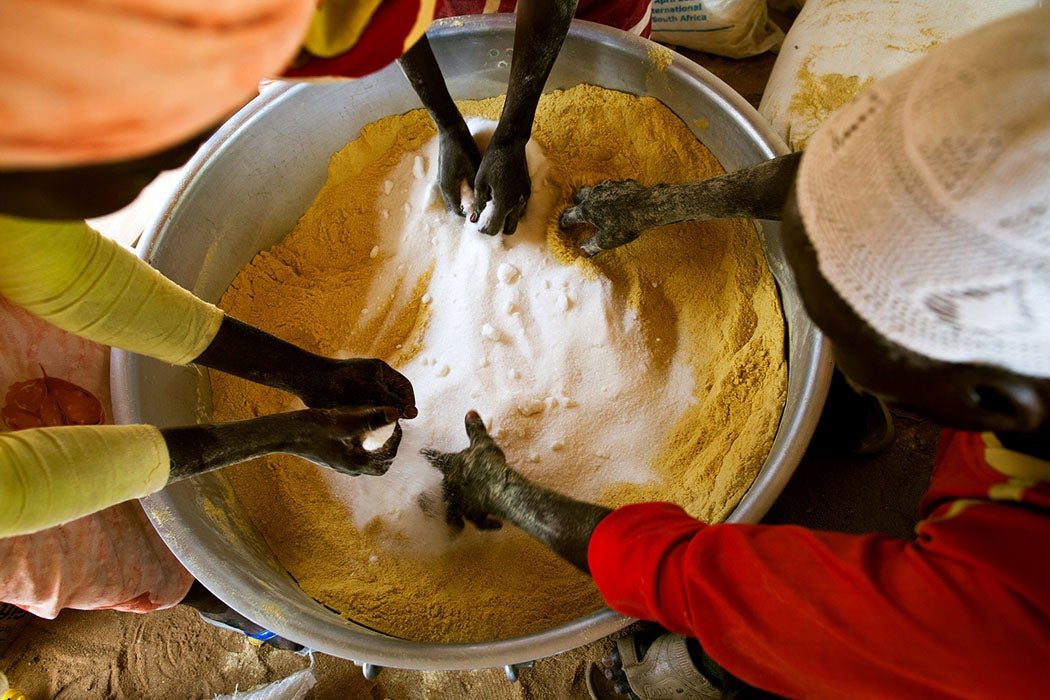
Food security means ensuring the world's food supply, a concern because shortages can cause social and political problems. What makes cities depend on food brought from elsewhere, and how does that dependence connect urban diets to distant production? The lessons trace these connections through transport, trade and the inputs used to produce food.
2 articles, 1 video, 1 book · about 41 min of reading and viewing
The reading path
- ReadGlobal Food Security: A Primer - JSTOR Daily · JSTOR Daily · 6 min read
In the mid-ninteenth century, railways and steamships brought cheap grain from the Americas to Europe and Asia, causing massive upheaval. In good times, this provided sustenance for growing urban industrial workers, but also destroyed the livelihoods of farmers who depended on high, stable grain prices.
- Read'Food miles' have larger climate impact than thought, study suggests - Carbon Brief · Carbon Brief · 7 min read
To produce red meat for consumption in China, chemicals from Canada are sent to the US by road to grow fruits and vegetables, and to Brazil by ship to grow soybeans; these are used to feed livestock in China. Producing red meat consumed in China can involve production steps from almost every continent.
- WatchFood security - A growing dilemma | DW Documentary · YouTube · 28 min watch
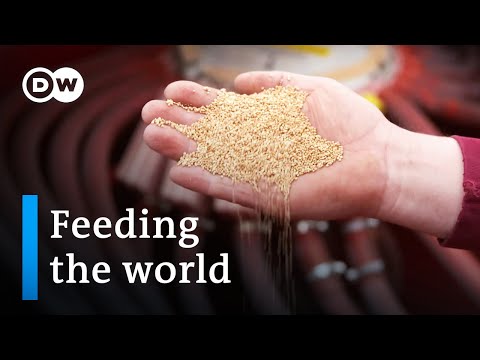
Anders Riemann's vertical farm in Copenhagen grows vegetables over 14 stories, while agricultural scientist Urte Grauwinkel researches crops that could be better adapted to new climate conditions in eastern Germany. The video examines how climate change, conflict and population growth challenge food security, and considers local food production, adapted crops and seaweed as possible ways to help feed people.
- BookHungry City: How Food and Farming Made Modern Cities · Bookshop.org
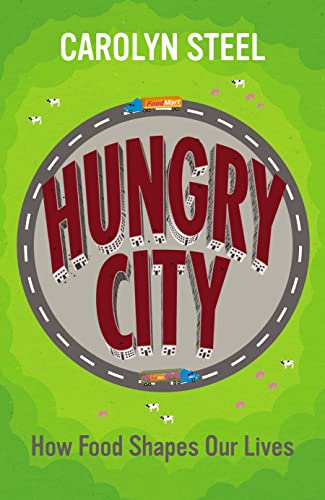
Hungry City by Carolyn Steel examines how industrialized food and meat production, supermarkets, fast food restaurant chains, and processed edibles shape city life, alongside the historical roots and contemporary issues of the food cycle from farm to plate to landfill. Steel notes that few eaters are conscious of the processes required to bring food into a metropolis.

Book links are Bookshop.org affiliate links. Curiate may earn a commission on purchases, at no extra cost to you — Bookshop.org also gives a share to independent bookshops.
Reading paths, built to arrive somewhere
Curiate turns what you are curious about into a short path — a quick lesson on an article, something to watch, and a book to go deep on. Free to browse.