The Economic Impact of Slavery in America
Slavery played a crucial role in shaping the economic foundation of the United States, generating substantial profits that fueled national growth and expansion. The Atlantic slave trade, the harsh realities of plantation life, and the emergence of capitalism are intricately linked in this historical context. Understanding this relationship reveals how slavery influenced the development of modern American capitalism and society.
- ReadAtlantic slave trade · Wikipedia
Traces the history of the Atlantic slave trade, detailing the transportation of enslaved Africans to the Americas from the 16th to the 19th century. This trade was facilitated by European and New World slave traders operating along established routes.
- WatchAmerica 250: How slavery in Louisiana shaped the economic foundation of the U.S. · YouTube
Shows the brutal realities of slavery on plantations in Louisiana, illustrating how the labor of enslaved people powered economic growth in the region. The Whitney and Woodland Plantations serve as key examples of this exploitation.
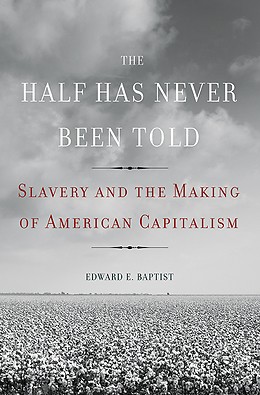
- BookThe Half Has Never Been Told: Slavery and the Making of American Capitalism · Bookshop.org
Argues that slavery was not just a pre-modern institution but a driving force behind the evolution of American capitalism. Edward E. Baptist reveals that the South transformed into a cotton empire, significantly influencing the nation's economic landscape.

The selected pieces offer a comprehensive exploration of how slavery was integral to America's economic development. Starting with the Atlantic slave trade, the curation progresses through specific examples in Louisiana, culminating in a detailed analysis of slavery's role in shaping American capitalism as presented in Edward E. Baptist's work. Together, these pieces create a cohesive narrative that highlights the economic consequences of slavery throughout American history.
Book links are Bookshop.org affiliate links. Curiate may earn a commission on purchases, at no extra cost to you — Bookshop.org also gives a share to independent bookshops.
Reading paths, built to arrive somewhere
Curiate turns what you are curious about into a short path — an entry point, something to watch, and the key book on the topic. Free to browse.