The Invisible Scars of Internment
During World War II, the U.S. government forcibly relocated and incarcerated around 120,000 Japanese Americans, leaving deep emotional and cultural scars. The legacy of this internment continues to shape Japanese American identity, influencing generational trauma and community dynamics.
- ReadInternment of Japanese Americans · Wikipedia
Traces the forced relocation of 120,000 Japanese Americans during World War II, revealing that two-thirds were U.S. citizens. Executive Order 9066, issued on February 19, 1942, authorized this mass incarceration following the Pearl Harbor attack.
- ReadHow the Photography of Dorothea Lange and Ansel Adams Told the Story of Japanese American Internment · Hyperallergic
Documents how Dorothea Lange's photography captured the human suffering of Japanese American families being led into assembly centers. Lange's images serve as a powerful visual testament to the loss of dignity and rights experienced by these individuals.
- WatchJapanese-American Internment During WWII | History · YouTube
Presents a historical overview of the internment camps, detailing the government's justification for Executive Order 9066. The piece emphasizes the stark reality that over 112,000 Japanese Americans were incarcerated, despite their loyalty to the U.S.
- BookWhen the Emperor Was Divine · Bookshop.org
Depicts the emotional and physical dislocation experienced by a Japanese American family during internment in a narrative structured from multiple perspectives. Julie Otsuka's novel encapsulates the generational trauma and lasting scars of internment, highlighting both personal and collective loss.
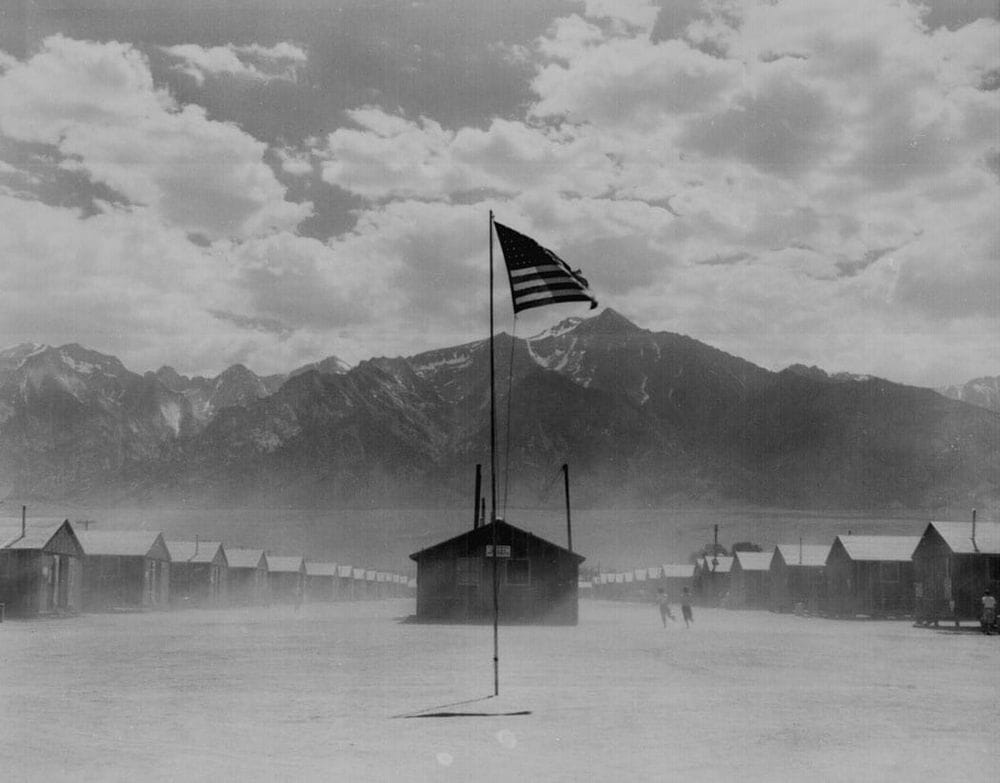


This curation begins with a factual overview of the internment, establishing the historical context and scale of the injustice. It then transitions into powerful visual documentation that captures the human experience of internment, followed by a poignant literary exploration of its emotional toll. Together, these pieces illustrate the profound impact of this chapter in American history on identity and memory.
Book links are Bookshop.org affiliate links. Curiate may earn a commission on purchases, at no extra cost to you — Bookshop.org also gives a share to independent bookshops.
Reading paths, built to arrive somewhere
Curiate turns what you are curious about into a short path — an entry point, something to watch, and the key book on the topic. Free to browse.