How game development processes turn ideas into playable games
Game development processes are the multidisciplinary work of creating video games through programming, design, art, audio, user interface, and writing. The lessons answer how a game idea becomes a playable experience and help readers understand the process. They follow the broad movement from shaping an idea and planning to prototyping and testing.
2 articles, 1 video, 1 book · about 1 hr 18 min of reading and viewing
The reading path
- Readgame development processes · Wikipedia · 56 min read
In game development, the first playable contains representative gameplay and assets, with functional major gameplay elements. Alpha and first playable are sometimes used to refer to a single milestone, but large projects require first playable before feature complete alpha. Game testing may use some automated testing to check that the core game engine operates as expected, but most testing comes via game testers once a playable prototype is available. Testers may be used lightly early in development, but their role often becomes more prominent as the game nears completion. A game's high concept is a brief description and the one- or two-sentence response to "What is your game about?".
- Read"Game Development 101: Seven steps from concept to code" · technology.online.city.ac.uk · 5 min read
Game development planning starts by answering key questions, including what genre and art style the game should have and who is developing it. Pre-production in game development is when the game idea is fully developed and plans from stage 1 are fleshed out. Game mechanics and the game world are developed as game design is discussed.
- WatchWhat's the Point of Prototyping? · YouTube · 17 min watch
A prototype is a way to test a game idea, and the video offers tips for making one.
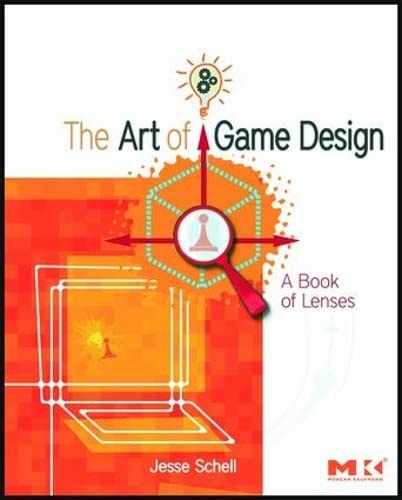
- BookThe Art of Game Design: A Book of Lenses · Bookshop.org
The Art of Game Design by Jesse Schell demonstrates how principles of psychology used in board games, card games, and athletic games also work in top-quality video games, and gives readers 100+ sets of questions drawing on fields including software engineering, visual design, and mathematics to ask themselves to make their games better.


Book links are Bookshop.org affiliate links. Curiate may earn a commission on purchases, at no extra cost to you — Bookshop.org also gives a share to independent bookshops.
Reading paths, built to arrive somewhere
Curiate turns what you are curious about into a short path — a quick lesson on an article, something to watch, and a book to go deep on. Free to browse.