How infectious diseases spread through communities
Infectious diseases are illnesses resulting from infections, which can be caused by many kinds of pathogens, especially bacteria and viruses, and some infections can spread between people. The lessons answer how infections spread through communities and help readers understand the ways transmission can be limited. They consider how everyday contact, shared environments, and travel shape the spread of infection.
2 articles, 1 video, 1 book · about 1 hr 4 min of reading and viewing
The reading path
- ReadInfectious Mononucleosis - Harvard Health · Harvard Health Blog · 4 min read
Epstein-Barr virus commonly is transmitted during kissing, and sneezes and coughs also can transmit the virus. Mononucleosis has been nicknamed the "kissing disease."
- Readinfectious diseases · Wikipedia · 53 min read
For infectious diseases, frequent hand washing remains the most important defense against the spread of unwanted organisms. Hand washing, gowns, and face masks can help prevent infections from passing from one person to another. International air travel can carry infectious diseases to distant lands, or home to families, before infected people show symptoms.
- WatchAnthony Fauci on the History of Infectious Disease | Big Think · YouTube · 7 min watch
Anthony Fauci, head of the National Institute of Allergy and Infectious Diseases, discusses past, present and future battles against disease. He describes how infectious diseases have shaped societies and how understanding disease can help protect people.
- BookThe Ghost Map · Bookshop.org
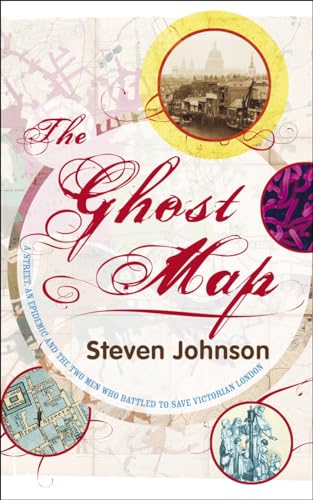
The Ghost Map by Steven Johnson follows a physician and a local curate as they act during a cholera outbreak and solve a medical riddle in a rapidly expanding city lacking garbage removal, clean water, and sewers.


Book links are Bookshop.org affiliate links. Curiate may earn a commission on purchases, at no extra cost to you — Bookshop.org also gives a share to independent bookshops.
Reading paths, built to arrive somewhere
Curiate turns what you are curious about into a short path — a quick lesson on an article, something to watch, and a book to go deep on. Free to browse.