How lived experience shapes travel writing as a literary form
Travel writing as a literary form includes outdoor literature, guide books, nature writing, and travel memoirs, with some works shaped by personal experience and others offering factual information about a place. What can readers understand about how lived experience shapes travel writing? The lessons consider how journeys influence a writer's perspective, form, and interpretation of places.
2 articles, 1 book · about 28 min of reading and viewing
The reading path
- Readtravel writing as a literary form · Wikipedia · 24 min read
Frederick Douglass' autobiographical Narrative is travel writing deeply intertwined with his travel experiences: his travels begin entirely at his masters' command and end with him traveling when and where he wishes. In travel writing, Thomas West's 1778 guide to the English Lake District included 'stations' or viewpoints around the lakes, encouraging tourists to appreciate their aesthetic qualities.
- ReadHow to Write While Traveling · Literary Hub · 4 min read
Andrés Neuman imagined a spasmodic journal of compact entries, adapting his writing to the travel times and timetables so the form of the journey would be the same as the form of the journal.
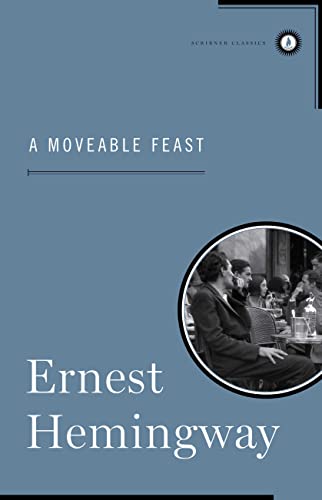
- BookA Moveable Feast · Bookshop.org
A Moveable Feast by Ernest Hemingway recalls his life as an unknown writer in Paris in the twenties and the other writers who shared Paris with him, including James Joyce, Wyndham Lewis, Scott and Zelda Fitzgerald.

Book links are Bookshop.org affiliate links. Curiate may earn a commission on purchases, at no extra cost to you — Bookshop.org also gives a share to independent bookshops.
Reading paths, built to arrive somewhere
Curiate turns what you are curious about into a short path — a quick lesson on an article, something to watch, and a book to go deep on. Free to browse.