How the Dust Bowl drove migration west
The Dust Bowl migration was associated with the Dust Bowl, which exacerbated an already existing agricultural recession. Dorothea Lange's photographs depicted the conditions of migrants, particularly Migrant Mother.
2 articles, 1 book · about 35 min of reading and viewing
The reading path
- Readthe dust bowl migration · Wikipedia · 30 min read
Extensive deep plowing of the Great Plains' virgin topsoil displaced native, deep-rooted grasses that normally trapped soil and moisture even during drought and high winds. During the drought of the 1930s, unanchored soil turned to dust, which prevailing winds blew away in huge clouds that sometimes blackened the sky. Many Americans migrated west, looking for work; in just over a year, over 86,000 people migrated to California.
- Read"Dust Bowl: Causes, Definition & Years" · history.com · 5 min read
The Dust Bowl drove many farm families to migrate in search of work and better living conditions as it intensified the Great Depression. It started in 1930 and lasted for about a decade, though its long-term economic impacts lingered much longer.
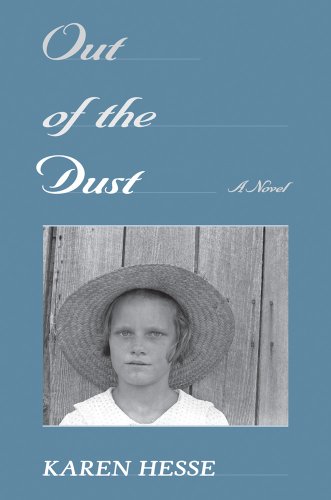
- BookOut of the Dust · Bookshop.org
Out of the Dust by Karen Hesse chronicles the ordeals Billie Jo must endure at fourteen and pays tribute to hope and inner strength.


Book links are Bookshop.org affiliate links. Curiate may earn a commission on purchases, at no extra cost to you — Bookshop.org also gives a share to independent bookshops.
Reading paths, built to arrive somewhere
Curiate turns what you are curious about into a short path — a quick lesson on an article, something to watch, and a book to go deep on. Free to browse.