Immigrant inspection and detention at Ellis Island
Ellis Island is an island in New York Harbor, within the U.S. states of New Jersey and New York, and was the busiest immigrant inspection and processing station in the United States. What did immigrants encounter during inspection, and how did the station's role change? The lessons explain how medical screening, processing, and detention shaped immigrants' experiences there.
2 articles, 1 book
The reading path
- Readthe life of immigrants in ellis island · Wikipedia
Inspectors used special forceps or the buttonhook to examine immigrants for signs of eye diseases such as trachoma, then used chalk to mark those suspected to be sick. According to a 1917 account, chalk-marked immigrants and those with suspected mental disabilities were sent to rooms for further inspection. After the Immigration Act of 1924, Ellis Island hosted only immigrants facing detention or deportation. During World War II, it became a permanent holding facility: when the U.S. entered the war in December 1941, it held 279 Japanese, 248 Germans, and 81 Italians removed from the East Coast, and a total of 7,000 Germans, Italians and Japanese were ultimately detained there. On January 1, 1892, Ellis Island opened, and almost 700 immigrants passed over its docks on the first day. The station's medical and mental inspection lines deported some 1% of potential immigrants; over five years, it processed 1.5 million immigrants.
- ReadAt Peak, Most Immigrants Arriving at Ellis Island Were Processed in a Few Hours | HISTORY · HISTORY
In 1907, Ellis Island processed 1,004,756 immigrants, yet the process took a few hours for 80 percent, and most immigrants passed through in three to five hours without an overnight stay. Just 2 percent of immigrants were denied entry to the United States.
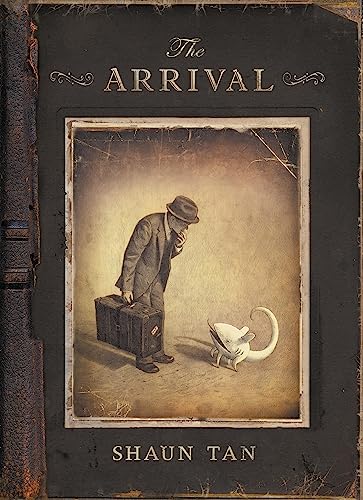
- BookThe Arrival · Bookshop.org
The Arrival by Shaun Tan describes a man leaving his wife and daughter to cross the ocean and build a better future for his family; through clear images and the absence of words, Tan evokes the pain of separation and the challenge of communication in an immigrant's experience.


Book links are Bookshop.org affiliate links. Curiate may earn a commission on purchases, at no extra cost to you — Bookshop.org also gives a share to independent bookshops.
Reading paths, built to arrive somewhere
Curiate turns what you are curious about into a short path — a quick lesson on an article, something to watch, and a book to go deep on. Free to browse.