How the Industrial Revolution Created Economic Inequality
The Industrial Revolution marked a pivotal shift in economic structures, leading to significant disparities in wealth distribution. Originating in Great Britain around 1760, it transformed manufacturing processes and labor dynamics, reshaping social classes and urban landscapes. As new technologies emerged, they rendered traditional skills obsolete, resulting in job losses and economic stratification. The consequences of this era continue to influence modern economic inequalities.
- ReadIndustrial Revolution · Wikipedia
Defines the Industrial Revolution as a major transition in the global economy, emphasizing its role in advancing manufacturing processes. Beginning in Great Britain, it spread to Europe and the U.S. by 1840, marking a pivotal moment in human history.
- ReadLabor reallocation during the Industrial Revolution · Marginal Revolution
Analyzes labor shifts during the Industrial Revolution, revealing how mechanization led to the disappearance of 153,000 artisanal jobs in bootmaking alone. This study utilizes 170 million census observations from 1851 to 1911 to provide detailed insights.
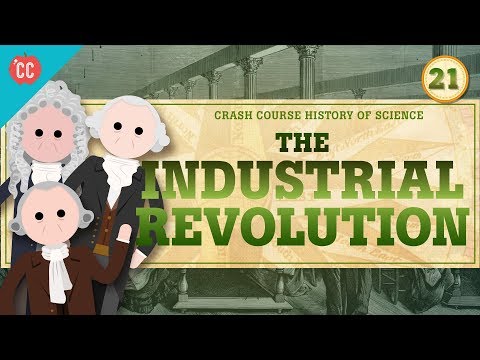
- WatchThe Industrial Revolution: Crash Course History of Science #21 · YouTube
Explores the signs of industrialization, such as the rise of trains and urbanization, while also addressing the destruction of rural lands and the widening gap between social classes. The video presents a comprehensive overview of the complex effects of this transformative period.
- BookThe Industrial Revolution: A Very Short Introduction · Bookshop.org
Offers a clear and engaging summary of the Industrial Revolution's impact on society and the economy. It highlights the profound changes in wealth distribution and the lasting consequences of this transformative era.
This curation begins with a foundational overview of the Industrial Revolution, establishing its historical significance. It then delves into the specific labor reallocations and job losses that occurred as a result of mechanization. Following this, a visual medium illustrates the broader societal impacts, including urbanization and class divisions. Finally, a concise book offers a comprehensive understanding of how these changes have shaped economic structures and inequalities.
Book links are Bookshop.org affiliate links. Curiate may earn a commission on purchases, at no extra cost to you — Bookshop.org also gives a share to independent bookshops.
Reading paths, built to arrive somewhere
Curiate turns what you are curious about into a short path — an entry point, something to watch, and a book worth finishing. Free to browse.