Industrialization and the Erosion of Family Structures
Industrialization fundamentally altered family dynamics, reshaping roles and relationships within households. As traditional structures crumbled, new societal pressures emerged, leading to a redefinition of familial bonds. This transformation sparked both opportunities and challenges, significantly impacting individuals and communities.
- ReadBreadwinner model · Wikipedia
Explores the emergence and evolution of the breadwinner model during industrialization, highlighting its impact on family roles and the subsequent decline of the male breadwinner across different cultures.
- ReadIndustrial London's Maternal Child Abductors - JSTOR Daily · JSTOR Daily
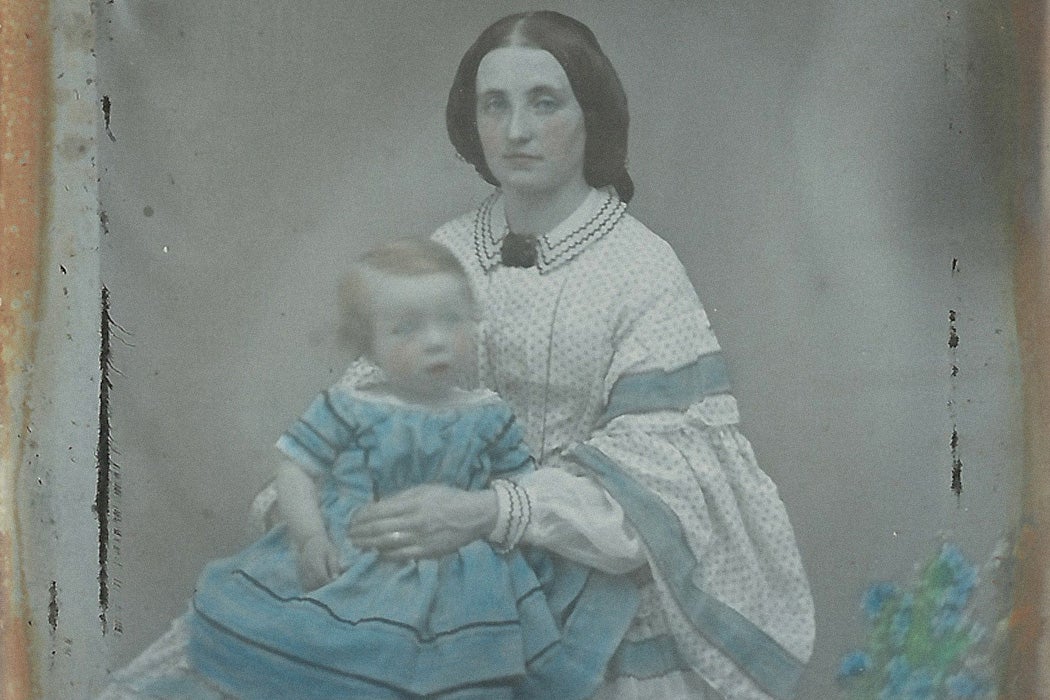
Examines the alarming rise in child abductions during industrial-era England, linking it to the increasing value placed on children in family life. Historian Elizabeth Foyster notes that children became prized as symbols of affluence and maternal roles.
- BookHard Times · Bookshop.org
Critiques the dehumanizing effects of industrialization through the story of Thomas Gradgrind, who raises his children in a rigid, fact-based environment. Dickens illustrates the tragic consequences of neglecting emotional and moral education, leading to despair and moral decay.

Each piece in this curation illustrates a different aspect of how industrialization fractured family structures. Starting with the Second Industrial Revolution, the narrative unfolds through historical accounts of child abduction, reflecting changing values, before culminating in Dickens' critique of industrial society's dehumanizing effects. Together, these works provide a comprehensive view of the complexities surrounding family life during this transformative period.
Book links are Bookshop.org affiliate links. Curiate may earn a commission on purchases, at no extra cost to you — Bookshop.org also gives a share to independent bookshops.
Reading paths, built to arrive somewhere
Curiate turns what you are curious about into a short path — an entry point, something to watch, and the key book on the topic. Free to browse.