Isolation in a Connected World: The Paradox of Tech Culture
In an age where technology connects us more than ever, the paradox of increased connectivity leading to greater loneliness emerges. This curation explores the psychological implications of our digital interactions, highlighting the complexities of social media, remote work, and personal identity. Readers will gain insights into how our online lives can both bridge and widen the gaps in our social connections.
- ReadSocial media · Wikipedia
Defines social media as technologies that enable content creation and sharing among virtual communities, emphasizing user-generated content as a core feature.
- ReadThe social psychological implications of our hybrid future | BPS · BPS Research Digest
Discusses the social psychological effects of hybrid work environments, noting that many organizations have adopted flexible working practices post-Covid lockdowns.
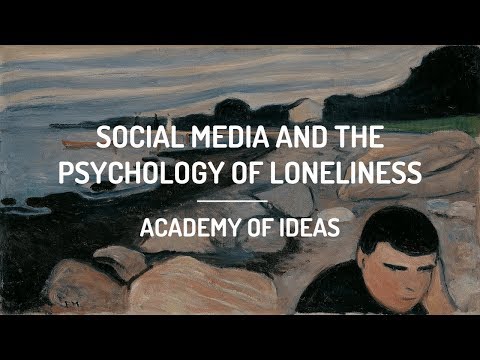
- WatchSocial Media and The Psychology of Loneliness · YouTube
Argues that modern loneliness stems from a poorly defined sense of self rather than a lack of social interaction, suggesting a deeper psychological issue at play.
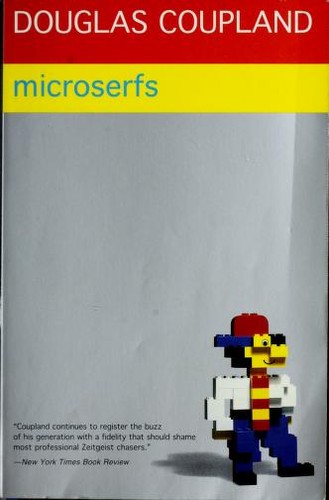
- BookMicroserfs · Bookshop.org
Explores the feudalistic dynamics of life at Microsoft, depicting employees as serfs under the rule of Bill Gates, which mirrors broader tech culture themes.

Each piece in this curation examines different facets of the relationship between technology and loneliness. Starting with the foundational understanding of social media, it progresses through psychological insights on remote work and loneliness, culminating in a fictional representation of tech culture's impact on personal identity. Together, these works create a comprehensive narrative about the paradox of feeling isolated in a hyper-connected world.
Book links are Bookshop.org affiliate links. Curiate may earn a commission on purchases, at no extra cost to you — Bookshop.org also gives a share to independent bookshops.
Reading paths, built to arrive somewhere
Curiate turns what you are curious about into a short path — an entry point, something to watch, and the key book on the topic. Free to browse.