Faith and Reason in Medieval Philosophy
Medieval thought is characterized by a tension between faith and reason, where philosophers sought to reconcile theological beliefs with rational inquiry. This period saw the emergence of Scholasticism, which aimed to harmonize classical philosophy with Christian doctrine. The interplay of these ideas culminated in literary works that explore the complexities of belief, knowledge, and morality. Understanding this struggle sheds light on the evolution of Western philosophy and its lasting impact on modern thought.
- ReadMedieval philosophy · Wikipedia
Traces the evolution of medieval philosophy from the 5th century to the Renaissance, highlighting its focus on reconciling sacred doctrine with secular learning. Key figures include Jewish, Christian, and Muslim philosophers who sought to understand God through philosophical inquiry.
- WatchWhat is Scholasticism? (Medieval Philosophy) · YouTube
Explains Scholasticism as a movement that aimed to integrate classical philosophy with Christian theology, emphasizing the works of Aristotle and Aquinas. This intellectual tradition flourished in medieval universities and shaped the course of Western thought.
- BookThe Name of the Rose · Bookshop.org
Follows Brother William of Baskerville as he investigates a series of mysterious deaths in a 14th-century abbey, employing logic and empirical methods to uncover the truth. The narrative intertwines philosophical discussions on faith, knowledge, and the nature of truth.

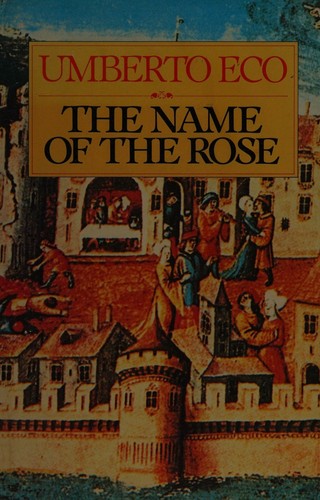
The selected pieces trace the development of medieval philosophy, beginning with a comprehensive overview of its historical context and key figures. Following this, a visual explanation of Scholasticism illustrates how thinkers like Aquinas attempted to bridge faith and reason. Finally, Umberto Eco's 'The Name of the Rose' serves as a narrative exploration of these themes, bringing the philosophical discourse to life through a gripping story set in a medieval abbey. Together, these works create a cohesive understanding of the intellectual landscape of the Middle Ages.
Book links are Bookshop.org affiliate links. Curiate may earn a commission on purchases, at no extra cost to you — Bookshop.org also gives a share to independent bookshops.
Reading paths, built to arrive somewhere
Curiate turns what you are curious about into a short path — an entry point, something to watch, and a book worth finishing. Free to browse.