Networking and partnerships: agreements, compensation and responsibility
Networking and partnerships are agreements in which parties cooperate to advance their mutual interests; organizations may partner to increase the likelihood of each achieving its mission and amplify their reach. How can partners make agreements and communication work over time? By the end, readers will understand how to clarify expectations, compensation, responsibilities, governance and ways to evaluate success, while building trust and handling disagreements.
2 articles, 1 book
The reading path
- Readnetworking and partnerships · Wikipedia
Partnership negotiations must settle goals, give-and-take, responsibilities, authority and succession, and how success is evaluated and distributed. Because an initial agreement cannot be expected to cover everything, trust, pragmatism, quality governance and clear communication are critical to making the partnership work over time. Partners who work for the partnership may be compensated for their labor before profits are divided. The partnership agreement often defines compensation, making it important to clarify how work is paid as well as how profits are shared.
- Read"9 things to know in a partnership business" · thedailystar.net
When Julie took some money from the office cash drawer, Palash had to pay the supplier from his own pocket; partners have unlimited responsibility for losses or dues, even when they were not at fault. Palash and Julie chose registration partly because they anticipated major disagreements and might need legal help, helping them clarify their responsibilities and expectations as partners.
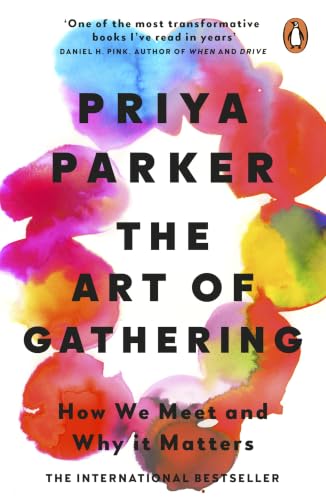
- BookThe Art of Gathering: How We Meet and Why It Matters · Bookshop.org
The Art of Gathering by Priya Parker explains how specific changes can invigorate group experiences, including meetings and conferences, and describes a human-centered approach to creating meaningful experiences that brings people together.


Book links are Bookshop.org affiliate links. Curiate may earn a commission on purchases, at no extra cost to you — Bookshop.org also gives a share to independent bookshops.
Reading paths, built to arrive somewhere
Curiate turns what you are curious about into a short path — a quick lesson on an article, something to watch, and a book to go deep on. Free to browse.