New York City Graffiti in the 1980s
The New York City graffiti movement emerged primarily across the city's subway system and working-class neighborhoods during the late 1960s and 1970s, developing into a more defined visual practice aided by widespread aerosol spray paint.
2 articles, 1 book
The reading path
- Readthe new york city graffiti movement in the 1980s · Wikipedia · 24 min read
The New York City Transit Authority (NYCTA) began a five-year program to eradicate graffiti in 1984. As subways became harder to paint, more writers went into the streets, shifting graffiti from subway cars to other places. The Clean Train Movement started in 1985, and the last graffiti-covered train was out of service by 1989. Before it, the streets were largely left untouched, and some 1980s-era writers used rooftops as billboards. Tags only require spray paint or a heavy-duty marker, making it easy to start in the graffiti world. As graffiti grew and more people joined the movement, tags developed from nicknames followed by a house or street number to include calligraphic styles, symbols such as crowns, and changes in scale and weight.
- ReadMartha Cooper Captures How Urban Youth Made New York · Hyperallergic
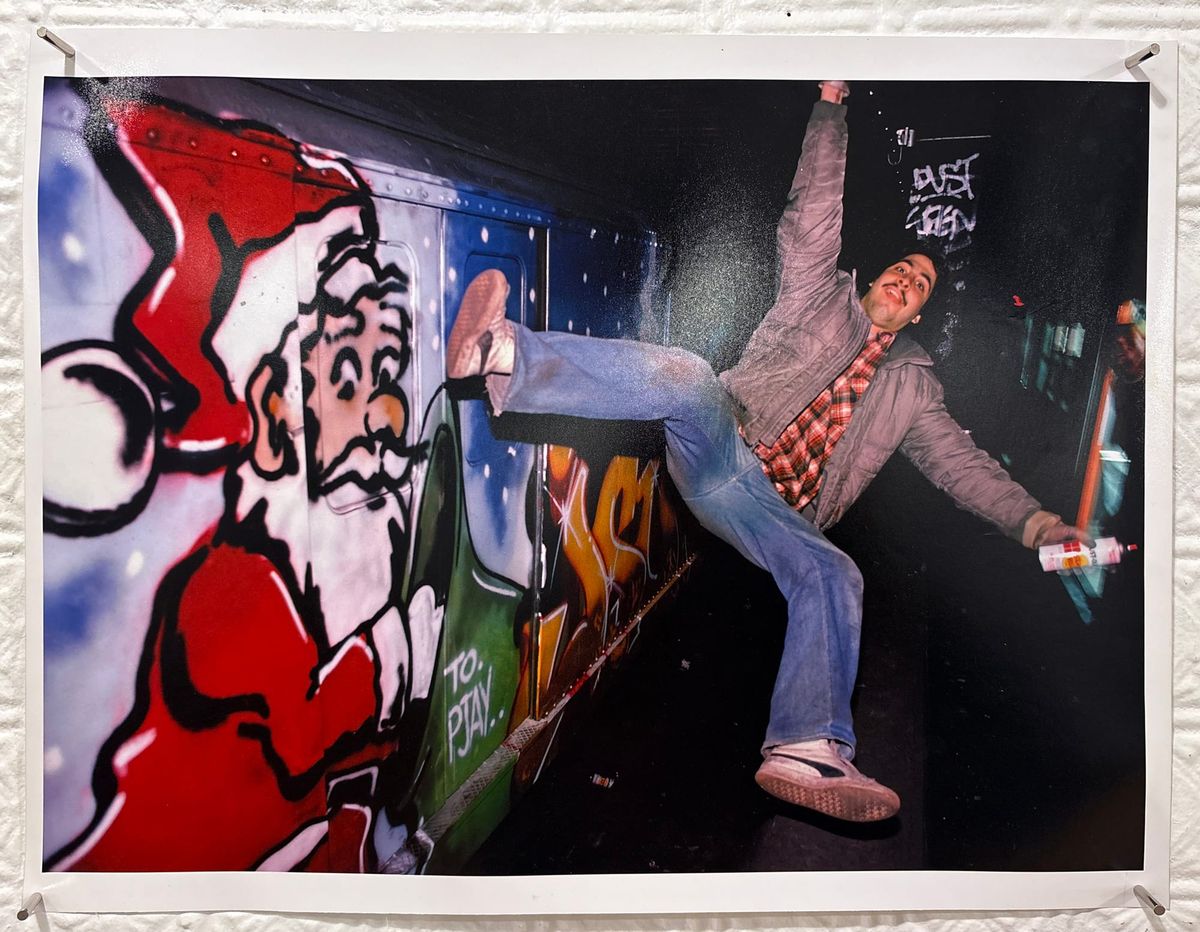
Martha Cooper's "Cops patrolling on the number # 1 line Harlem" (1981), among Cooper's best-known works, shows two cops patrolling a subway car while a woman sits amid dilapidated grays, colorful advertisements, and graffiti. Cooper documented the Lower East Side between 1978 and 1980, and her photographs of hip hop's infancy show youth breaking down boxes to dance upon, spray-painting on walls and subway cars, and climbing on and dangling from public transit. Architecture and infrastructure spoke the city through words and color, and its inhabitants spoke back through physical gestures.
- BookSubway Art · Bookshop.org
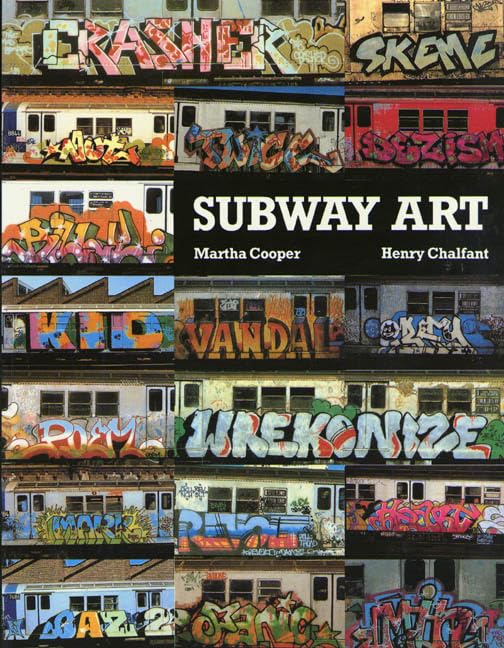
Subway Art by Martha Cooper describes the late-1980s decline of the subway and graffiti scene and its unexpected rebirth as a global art movement.

Book links are Bookshop.org affiliate links. Curiate may earn a commission on purchases, at no extra cost to you — Bookshop.org also gives a share to independent bookshops.
Reading paths, built to arrive somewhere
Curiate turns what you are curious about into a short path — a quick lesson on an article, something to watch, and a book to go deep on. Free to browse.