The Battle of Development Paradigms in Software Engineering
This curation examines how contrasting software development models, particularly open-source and proprietary systems, shape innovation in the tech industry. Readers will explore the historical context, key figures, and transformative impacts of open-source software. By engaging with these pieces, one gains a deeper understanding of the ongoing evolution in software engineering paradigms.
- ReadOpen-source software development · Wikipedia
Defines open-source software development as a publicly accessible process that allows for collaborative improvement and innovation.
- ReadIBM and Linux Advancing the Open Source Revolution · MIT Technology Review
Describes how Linux's flexibility and community-driven development have propelled it beyond niche markets, emphasizing its broad applicability across industries.
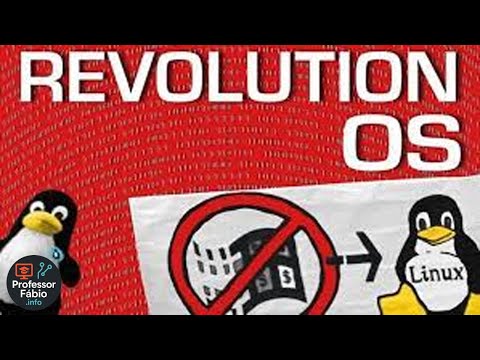
- WatchRevolution OS - Documentary about GNU\Linux - Multilanguage - High Quality · YouTube
Chronicles the free and open-source software movement, highlighting key figures like Richard Stallman and Linus Torvalds who challenged proprietary norms.
- BookThe Cathedral and the Bazaar · Bookshop.org
Argues that open source offers a competitive edge in the digital age, with 56 percent of IT managers at Global 2,500 companies already utilizing it.

The selected pieces collectively illustrate the rise of open-source software as a counterpoint to traditional proprietary models. Starting with a foundational overview, the curation progresses through historical accounts and influential figures, culminating in a critical analysis of open-source's competitive advantages. Each piece builds on the last, providing a comprehensive narrative of how these paradigms influence innovation.
Book links are Bookshop.org affiliate links. Curiate may earn a commission on purchases, at no extra cost to you — Bookshop.org also gives a share to independent bookshops.
Reading paths, built to arrive somewhere
Curiate turns what you are curious about into a short path — an entry point, something to watch, and the key book on the topic. Free to browse.