The Dust Bowl migration and the search for aid and work
The Dust Bowl migration was the movement of Americans made homeless by the Dust Bowl. How did drought make farming harder, prompt families to move west, and shape their search for aid and a place to settle? The lessons show how environmental damage and relief efforts shaped migration and the challenges families faced in building new lives.
2 articles, 1 book
The reading path
- Readthe dust bowl migration · Wikipedia
The Drought Relief Service bought cattle in emergency counties for $14 to $20 a head; more than 50% were judged unfit for human consumption at the beginning of the program. The federal government formed the service in 1935 to coordinate relief, and the remaining cattle went to food distribution for families nationwide. Alongside programs encouraging small farm owners in drier parts of the Plains to resettle, this response shows how drought relief combined migration with aid. A two-day dust storm beginning on May 9, 1934, stripped massive amounts of Great Plains topsoil and carried dust to Chicago, where it deposited 12 million pounds (5,400 tonnes), then on to cities farther east. Drought dried and loosened the soil, while crop failures left plowed fields exposed to wind erosion; the damage to farmland shows how drought made staying and farming on the Plains harder for families.
- Read"Dust Bowl: Causes, Definition & Years" · history.com
From 1935 to 1940, roughly 250,000 Oklahoma migrants moved to California, and roughly one-third settled in the state's agriculturally rich San Joaquin Valley. The Dust Bowl drove many farm families west in a desperate search for work and better living conditions; poverty-stricken migrants faced discrimination, menial labor and pitiable wages, and many lived in shantytowns and tents along irrigation ditches as "Okies".
- BookOut of the Dust · Bookshop.org
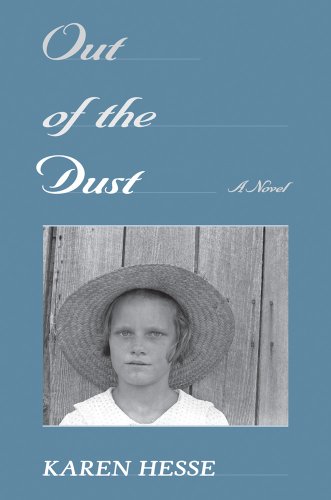
Out of the Dust is a children's verse novel written by Karen Hesse, first published on October 1, 1997. The novel follows the life of Billie Jo, a girl living in the panhandle of Oklahoma, from the beginning of 1934 to the end of 1935.


Book links are Bookshop.org affiliate links. Curiate may earn a commission on purchases, at no extra cost to you — Bookshop.org also gives a share to independent bookshops.
Reading paths, built to arrive somewhere
Curiate turns what you are curious about into a short path — a quick lesson on an article, something to watch, and a book to go deep on. Free to browse.