The Forgotten Health Crisis of Victorian Children
This curation explores how industrialization adversely affected the health of children in Victorian cities, highlighting the dire consequences of urbanization. Readers will discover the intersection of public health, child labor, and literature during this transformative period.
- ReadIndustrial Revolution · Wikipedia
Traces the transition from agrarian to industrial economies, detailing the profound changes in manufacturing processes. This period marked a significant shift in societal structures, affecting labor and living conditions for many.
- ReadWhen Ideology Overpowers Science · Nautilus
Documents the cholera outbreak of 1854, emphasizing the devastating effects on London's population, particularly in densely populated areas. Over 10,000 people died from cholera during this outbreak, highlighting the public health crisis.
- WatchThe Children Who Built Victorian Britain · YouTube
Presents personal testimonies from children who labored in factories, revealing the harsh realities of their daily lives. Many children worked over 12 hours a day under dangerous conditions, often sacrificing their health and education.
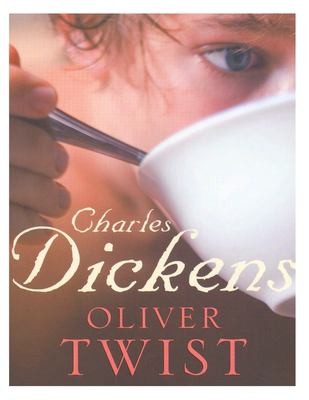
- BookOliver Twist · Bookshop.org
Follows the life of Oliver Twist, a child born into poverty in a workhouse, illustrating the struggles faced by many Victorian children. Dickens' narrative sheds light on the societal neglect and systemic issues that perpetuated child suffering.

The selected pieces illustrate the multifaceted impact of the Industrial Revolution on children's health, from the historical context to personal narratives. Starting with an overview of the Industrial Revolution, the curation delves into specific health crises exemplified by cholera outbreaks, followed by firsthand accounts of child labor. The journey culminates in Dickens' 'Oliver Twist,' which powerfully encapsulates the struggles faced by impoverished children during this era.
Book links are Bookshop.org affiliate links. Curiate may earn a commission on purchases, at no extra cost to you — Bookshop.org also gives a share to independent bookshops.
Reading paths, built to arrive somewhere
Curiate turns what you are curious about into a short path — an entry point, something to watch, and the key book on the topic. Free to browse.