The history of graphic design and visual systems
The history of graphic design is the history of combining text with images and concepts, most often for advertisements, publications, or websites. How do visual forms become systems people can share and use? By the end, readers will understand how graphic design organizes and communicates meaning through recognizable forms and structured arrangements.
2 articles, 1 book
The reading path
- Readthe history of graphic design · Wikipedia
China used woodblock printing as far back as 200 CE to stamp designs on silk clothes and eventually on paper. In 1040, Bi Sheng, an inventor, invented the world's first movable type printing press out of porcelain; logical, modular grid systems later provided a structured framework for aligning elements, something now considered essential for most forms of graphic design.
- BookGraphic Design: A New History · Bookshop.org
In the Islamic empire, playing-card suits were coins, cups, swords, and polo sticks. Europe changed these symbols into graphical representations of kings, queens, knights, and jesters, while different European countries adopted different suit systems, turning visual symbols into varied systems. Muslim scribes used black ink and golden paper to write and draw the Quran in Kufic, an angled alphabet, and later added margin decorations using a variety of graphic techniques. These visual systems helped beautify the book; calligraphy was a sacred aspect of the Quran.
- ReadThe history of graphic design · flux-academy.com
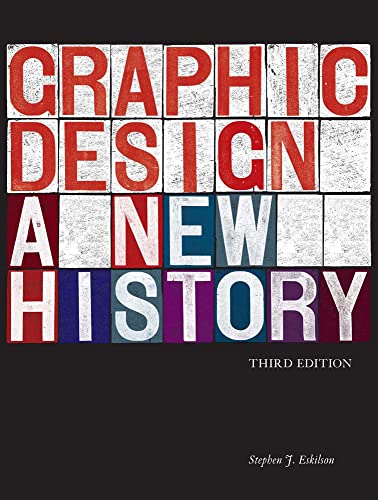
Graphic Design by Stephen J. Eskilson traces modernist styles and wartime politicization, chronicles the Bauhaus, the International Style, and postmodernism, and addresses contemporary app design, social media, emojis, big data visualization, animated graphics, and citizen designers tackling societal issues.

Book links are Bookshop.org affiliate links. Curiate may earn a commission on purchases, at no extra cost to you — Bookshop.org also gives a share to independent bookshops.
Reading paths, built to arrive somewhere
Curiate turns what you are curious about into a short path — a quick lesson on an article, something to watch, and a book to go deep on. Free to browse.