The history of technology and social change
The history of technology is the history of human invention of tools and techniques, ranging from simple stone tools to complex genetic engineering and information technology that has emerged since the 1980s. How have inventions reshaped society across different eras? Readers will understand how new sources of power, mechanisms, transport, and collaborative work have changed economies and everyday life.
2 articles, 1 book
The reading path
- Readthe history of technology · Wikipedia
Cheap coal freed industry from dependence on water resources, while steam engines drained mines and opened access to more coal. The high-pressure steam engine made locomotives possible, and the Liverpool and Manchester Railway opened in 1830, with the Rocket locomotive among its first working locomotives-showing how energy innovations reshaped transport. The Domesday Book recorded 5,624 water mills in Great Britain in 1086, about one per thirty families. Water and wind power made economies less reliant on human and animal muscle, powering grain milling as well as blast furnaces, papermaking and wool felting. Mesopotamia's cuneiform writing left records on clay tablets and stone inscriptions, and the wheel and axle mechanism appeared with the potter's wheel during the 5th millennium BC, before wheeled vehicles followed in the early 4th millennium BC. The earliest evidence of water wheels and watermills dates to the 4th century BC in the ancient Near East, including Mesopotamia and Persia.
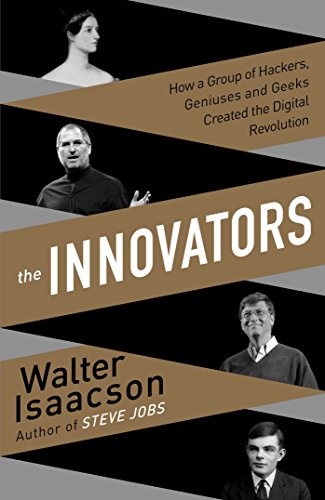
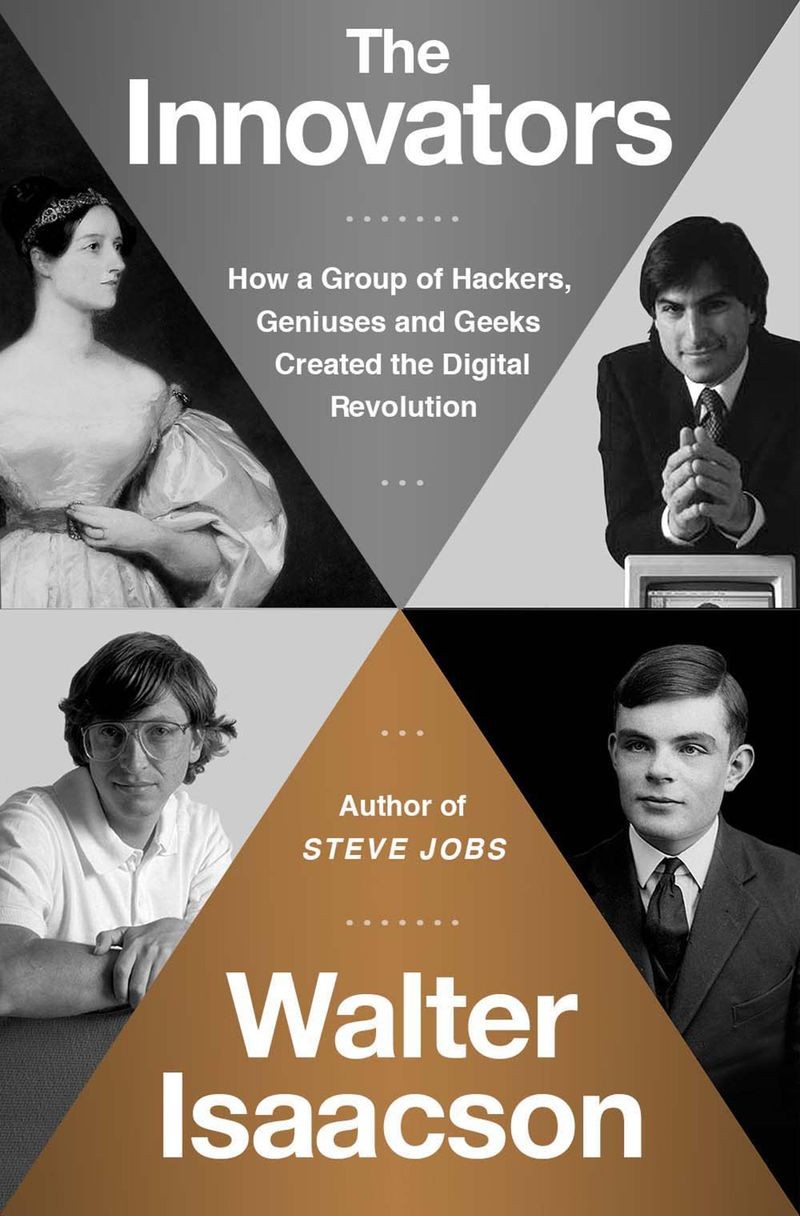
- BookThe Innovators: How a Group of Hackers, Geniuses, and Geeks Created the Digital Revolution · Bookshop.org
The transistor was invented at Bell Labs in 1947 by William Shockley, John Bardeen and William Brattain, whose work brought together a theorist and experimentalists. Walter Isaacson, a biographer, calls the book's central idea "collaborative creativity"; the source says Shockley's "inability to share the credit" ultimately tore them apart, though teamwork could involve rivalry and conflict.
- ReadInsight into "The Innovators" · CHM
The Innovators by Walter Isaacson summarizes innovators' contributions to computer technology and its applications, from Ada Lovelace, the world's first computer programmer, through the Information Age of the present, giving readers a history of computer science and the Digital Revolution.

Book links are Bookshop.org affiliate links. Curiate may earn a commission on purchases, at no extra cost to you — Bookshop.org also gives a share to independent bookshops.
Reading paths, built to arrive somewhere
Curiate turns what you are curious about into a short path — a quick lesson on an article, something to watch, and a book to go deep on. Free to browse.