The Meaning of Waiting in Waiting for Godot
Waiting often symbolizes the essence of the human condition, encapsulating our search for meaning in an absurd world. Samuel Beckett's play, 'Waiting for Godot', exemplifies this existential struggle through its characters' endless anticipation. The themes of waiting and uncertainty resonate deeply, prompting reflection on the nature of existence itself.
- ReadWaiting for Godot · Wikipedia
Explores the enigmatic nature of 'Waiting for Godot' through its characters and existential themes, highlighting its impact on modern literature and its production history in France and Germany.
- ReadWhy We Keep Waiting for Godot · Literary Hub
Examines the reasons behind the continued staging of 'Waiting for Godot', noting its paradoxical appeal despite its bleak themes. The article mentions that the play has been performed over 2,000 times since its premiere in 1953.
- BookWaiting for Godot · Bookshop.org
Explores the narrative of two men, Vladimir and Estragon, who wait for Godot, embodying humanity's quest for meaning amidst absurdity. Beckett's minimalist language and structure reflect the disillusionment of post-World War II Europe.

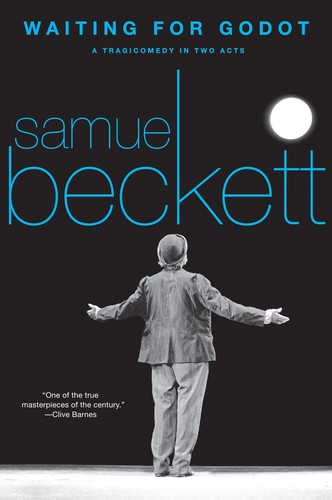
These pieces collectively illuminate the existential themes in 'Waiting for Godot' and the broader context of the theatre of the absurd. Starting with an overview of absurdist theatre, the curation progresses to a discussion on the enduring relevance of Beckett's work, culminating in the play itself as a profound exploration of human waiting and meaning.
Book links are Bookshop.org affiliate links. Curiate may earn a commission on purchases, at no extra cost to you — Bookshop.org also gives a share to independent bookshops.
Reading paths, built to arrive somewhere
Curiate turns what you are curious about into a short path — an entry point, something to watch, and the key book on the topic. Free to browse.