The rise of fascism in Italy and Roman revival
The rise of fascism in Italy was the development of Italian fascism, the original fascist ideology, developed by Giovanni Gentile and Benito Mussolini. Mussolini's National Fascist Party governed the Kingdom of Italy from 1922 until 1943.
2 articles, 1 video, 1 book · about 1 hr 40 min of reading and viewing
The reading path
- Readthe rise of fascism in italy · Wikipedia · 60+ min read
In the rise of fascism in Italy, fascists used ancient Roman symbols, particularly the fasces, which symbolized unity, authority and the exercise of power. The fasces and the she-wolf symbolized the shared Roman heritage of all the regions that constituted the Italian nation. Italian fascism identified modern Italy as the heir to the Roman Empire and Renaissance-era Italy, promoting Romanitas ("Romanness"). It sought to forge a strong Italian Empire as a Third Rome, with ancient Rome as the First Rome and Renaissance-era Italy as the "Second Rome". The fascists came to associate the term with the ancient Roman fasces or fascio littorio, a bundle of rods tied around an axe, an ancient Roman symbol of the authority of the civic magistrate, carried by his lictors. The symbolism suggested strength through unity: a single rod is easily broken, while the bundle is difficult to break.
- ReadA History of Modern Europe - 21. The Rise of Fascism · sites.google.com · 9 min read
Mussolini became editor of the Socialist Party newspaper in 1912. He was fascinated with the history of ancient Rome, an interest that would later dominate his political thinking.
- WatchWhat is Fascism? (Political Philosophy) · YouTube · 12 min watch
Italian Fascism's philosophy appears in the writings of Giovanni Gentile and Benito Mussolini, including the idea of state corporations and a rejoicing in violence.
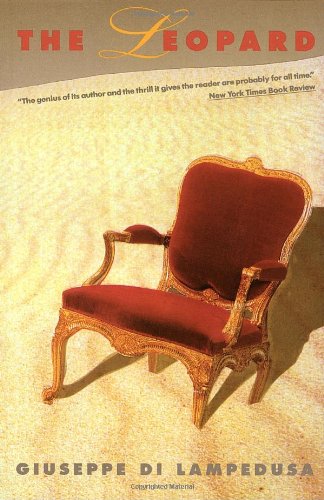
- BookThe Leopard · Bookshop.org
The Leopard by Giuseppe Tomasi di Lampedusa describes Garibaldi's forces sweeping through Sicily during the Risorgimento and Tancredi's association with rebels fighting to overthrow the Kingdom of the Two Sicilies.


Book links are Bookshop.org affiliate links. Curiate may earn a commission on purchases, at no extra cost to you — Bookshop.org also gives a share to independent bookshops.
Reading paths, built to arrive somewhere
Curiate turns what you are curious about into a short path — a quick lesson on an article, something to watch, and a book to go deep on. Free to browse.