The Unraveling of Morality in a Nihilistic Society
This curation delves into the moral void faced by Dostoevsky's characters against the backdrop of the Russian nihilist movement. It examines the psychological and philosophical turmoil stemming from radical ideologies that challenge traditional values. Readers will gain insight into the existential dread that permeates Dostoevsky's work and the broader implications of nihilism on society.
- ReadRussian nihilist movement · Wikipedia
Traces the origins of the Russian nihilist movement, highlighting its philosophical roots and cultural impact on society. The term 'nihilism' emerged in the late 19th century, representing a radical critique of morality and traditional values.
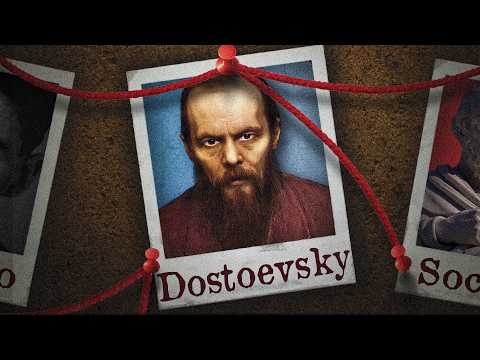
- WatchThe Most Dangerous Writer Who Ever Lived · YouTube
Unpacks the psychological turmoil of Dostoevsky's Underground Man, showcasing the character's existential dread and moral chaos. The video essay emphasizes how 'Notes from Underground' serves as a prophetic exploration of modern human psyche.
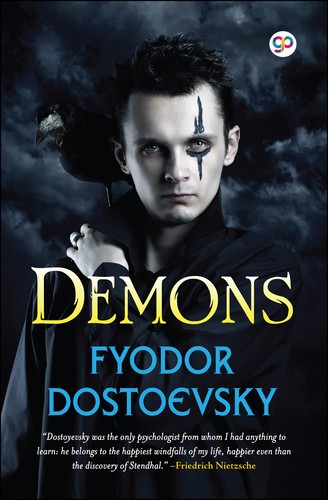
- BookDemons · Bookshop.org
Explores the themes of materialism and moral decay in Dostoevsky's 'Demons,' presenting it as a response to the political and ideological upheaval in Russia. Inspired by a political murder in 1869, the novel critiques the dangers of unchecked radicalism.
The selected pieces collectively illustrate the emergence of nihilism in 19th-century Russia and its profound impact on literature and philosophy. Starting with the historical context of the nihilist movement, the curation transitions to a modern interpretation of Dostoevsky's work, culminating in his seminal novel 'Demons.' Each entry builds upon the last, creating a cohesive narrative that explores the complexities of morality in a rapidly changing world.
Book links are Bookshop.org affiliate links. Curiate may earn a commission on purchases, at no extra cost to you — Bookshop.org also gives a share to independent bookshops.
Reading paths, built to arrive somewhere
Curiate turns what you are curious about into a short path — an entry point, something to watch, and the key book on the topic. Free to browse.