Tolkien borrowed a dragon from Beowulf
Tolkien's 2014 prose translation of Beowulf includes his retelling Sellic Spell, but not his incomplete, unpublished verse translation. What do the poem's monsters and digressions reveal, and how did Tolkien's reading differ from Toni Morrison's? Beowulf is a story set in pagan Scandinavia in the 5th and 6th centuries. The Hobbit by J.R.R. Tolkien sends Bilbo Baggins across Middle-earth to reclaim a dwarf treasure from the dragon Smaug.
2 articles, 1 video, 1 book
The reading path
- ReadBeowulf · Wikipedia
In Beowulf, Beowulf tears Grendel's arm from his body at the shoulder, then displays "the whole of Grendel's shoulder and arm, his awesome grasp" at Heorot. The display fuels Grendel's mother's anger in revenge. Beowulf's digressions provide a powerful impression of historical depth, imitated by Tolkien in The Lord of the Rings, a work that embodies many other elements from the poem. Tolkien's long-awaited prose translation of Beowulf, edited by his son Christopher, was published in 2014 as Beowulf: A Translation and Commentary. The book includes Tolkien's retelling of Beowulf in Sellic Spell, but not his incomplete and unpublished verse translation.
- ReadThe Question of Race in Beowulf - JSTOR Daily · JSTOR Daily
J.R.R. Tolkien's "Beowulf: The Monsters and the Critics" is a foundational article on Beowulf and its monsters. A JSTOR Daily essay argues that Tolkien, an Oxford medieval professor, interpreted Beowulf for a white English audience before and while writing The Lord of the Rings. The same essay argues that in "Beowulf: The Monsters and the Critics," Tolkien's white male gaze concentrates on what Grendel and his mother can do for Beowulf's development as the white male hero of Germanic epic. Toni Morrison, a black feminist reader, treats Grendel and his mother as raced and marginal figures with interiority, psyche, context, and emotion.
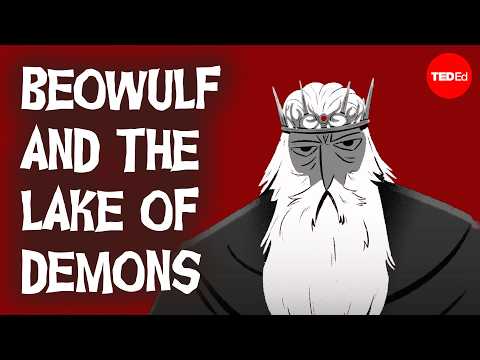
- WatchThe epic Nordic legend of the monster slayer - Iseult Gillespie
Iseult Gillespie traces the tale of Beowulf, a prince who travels to aid a kingdom in freeing itself from a monster's reign of terror. The video explores the classic poem, "Beowulf," and asks why it is considered a classic.
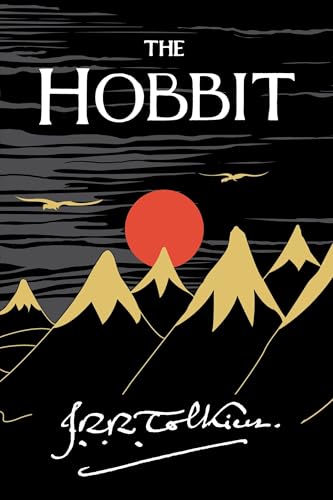
- BookThe Hobbit · Bookshop.org
The Hobbit by J.R.R. Tolkien is set in Middle-earth and follows Bilbo Baggins, who joins the wizard Gandalf and thirteen dwarves on a quest to reclaim the dwarves' home and treasure from the dragon Smaug; several chapters introduce a new kind of monster or threat. Tolkien, a scholar of Beowulf, counted the poem among his most valued sources.


Book links are Bookshop.org affiliate links. Curiate may earn a commission on purchases, at no extra cost to you — Bookshop.org also gives a share to independent bookshops.
Reading paths, built to arrive somewhere
Curiate turns what you are curious about into a short path — a quick lesson on an article, something to watch, and a book to go deep on. Free to browse.