Trade Networks in the Roman Economy
Trade was fundamental to the Roman economy, connecting distant regions and facilitating the exchange of goods and culture. The intricate web of trade routes not only supplied Rome with luxury items but also shaped social dynamics across the empire. From the bustling markets of Rome to the far reaches of India and Africa, commerce influenced daily life and economic stability.
- ReadIndo-Roman trade relations · Wikipedia
Traces the development of trade between the Indian subcontinent and the Roman Empire, highlighting the significance of overland and maritime routes. The southern trade route via the Red Sea began around the first century AD, following Augustus's conquest of Egypt in 30 BC.
- ReadThe ancient Romans thrived on consumerism. Here's what was on their shopping lists · HistoryExtra
Examines the consumer culture of ancient Romans, revealing their desire to fit in and acquire goods. An average farmer in Roman Britain faced economic precarity, with poor harvests or livestock loss posing serious threats to their livelihood.
- WatchRoman Trade with Africa DOCUMENTARY · YouTube
Explores the dynamics of Roman trade with Africa, emphasizing the exchange of goods and cultural interactions. The video builds on previous discussions of trade with India and highlights the importance of Egypt in this network.
- BookThe Roman Economy: Structure, Development, and Transformation · Bookshop.org
Analyzes the structure and transformation of the Roman economy, focusing on the interconnectedness of financial practices. Richard Saller argues that trade networks were crucial for economic development and social cohesion in the Roman Empire.

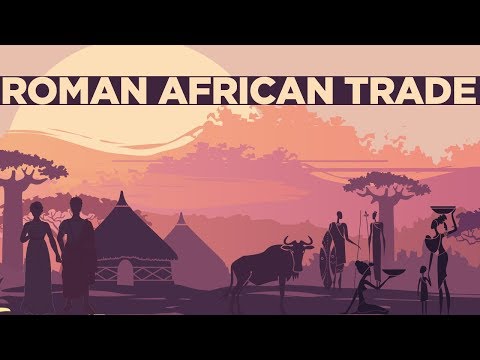

Each piece in this curation highlights a different aspect of Roman trade networks, illustrating their significance in the broader economic framework of the empire. Starting with Indo-Roman relations, the curation moves through consumer habits in Rome, visualizing trade with Africa, and culminates in a comprehensive examination of the Roman economy. Together, they provide a rich narrative of how trade underpinned social and economic structures in ancient Rome.
Book links are Bookshop.org affiliate links. Curiate may earn a commission on purchases, at no extra cost to you — Bookshop.org also gives a share to independent bookshops.
Reading paths, built to arrive somewhere
Curiate turns what you are curious about into a short path — an entry point, something to watch, and the key book on the topic. Free to browse.