Unexpected Heroes of Medical Breakthroughs
The history of medical breakthroughs often features unexpected heroes whose contributions have changed the course of medicine. From accidental discoveries to underappreciated innovators, these stories reveal how chance and determination can lead to monumental advancements. The journey of penicillin, from its discovery to widespread use, exemplifies the impact of these unlikely figures in healthcare.
- ReadDiscovery of penicillin · Wikipedia
Traces the accidental discovery of penicillin by Alexander Fleming in 1928, marking a turning point in the treatment of bacterial infections. Fleming identified a mould that inhibited bacterial growth, leading to the first antibiotic.
- WatchAlmanac: The discovery of penicillin · YouTube
Shows how a lab accident on September 28, 1928, transformed medicine through Fleming's discovery of penicillin. CBS Sunday Morning reports on the revolutionary impact this find had on infection treatment.
- BookThe Mold in Dr. Florey's Coat: The Story of the Penicillin Miracle · Bookshop.org
Explores the journey of penicillin from its discovery to its development as a life-saving drug by Howard Florey and Ernst Chain during World War II. Despite its significance, the original discoverers did not profit from their groundbreaking work.
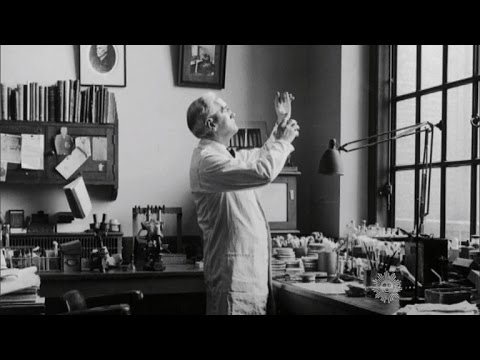

Each piece in this curation highlights a different aspect of the penicillin story, showcasing the pivotal roles played by various individuals. Starting with Alexander Fleming's serendipitous discovery, the narrative unfolds to reveal the collaborative efforts of Howard Florey and Ernst Chain in developing the antibiotic. Together, these entries illustrate the complexities and challenges faced by these medical pioneers, emphasizing their unexpected contributions to modern medicine.
Book links are Bookshop.org affiliate links. Curiate may earn a commission on purchases, at no extra cost to you — Bookshop.org also gives a share to independent bookshops.
Reading paths, built to arrive somewhere
Curiate turns what you are curious about into a short path — an entry point, something to watch, and the key book on the topic. Free to browse.