Wittgenstein vs. Popper
Ludwig Wittgenstein and Karl Popper represent two pivotal figures in 20th-century philosophy, each with distinct views on language and its role in understanding reality. Their contrasting approaches to philosophical inquiry have influenced various fields, including linguistics, logic, and the philosophy of science. The legendary confrontation between them encapsulates their ideological divide and highlights the ongoing relevance of their ideas in contemporary discussions.
- ReadLudwig Wittgenstein · Wikipedia
Traces Wittgenstein's philosophical journey from his early work on the Tractatus to his influential role at Cambridge, highlighting key developments in his approach to language and logic.
- WatchPHILOSOPHY - Ludwig Wittgenstein · YouTube
Examines Ludwig Wittgenstein's preoccupation with language's complexities, aiming to clarify the confusions that arise from words. He believed that many philosophical problems stem from misunderstandings of language, proposing that clarity could lead to resolution.
- BookWittgenstein's Poker · Bookshop.org
Recounts the infamous 1946 encounter between Wittgenstein and Popper, where their heated exchange became legendary for its intensity. The incident serves as a microcosm of their philosophical disagreements, particularly regarding the nature and function of language in philosophy.
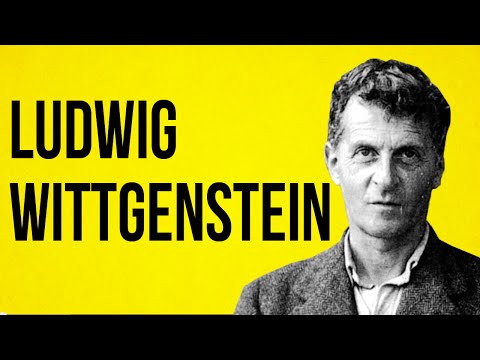

The selected pieces trace the evolution of analytic philosophy, beginning with a foundational overview that sets the stage for the contrasting philosophies of Wittgenstein and Popper. The visual from The School of Life delves into Wittgenstein's obsession with language, providing context for his philosophical inquiries. The anchor piece, 'Wittgenstein's Poker,' captures the dramatic encounter between the two philosophers, illustrating how their differing perspectives manifest in personal interactions and philosophical debates.
Book links are Bookshop.org affiliate links. Curiate may earn a commission on purchases, at no extra cost to you — Bookshop.org also gives a share to independent bookshops.
Reading paths, built to arrive somewhere
Curiate turns what you are curious about into a short path — an entry point, something to watch, and the key book on the topic. Free to browse.