A Welsh fairy made a preacher flee his county
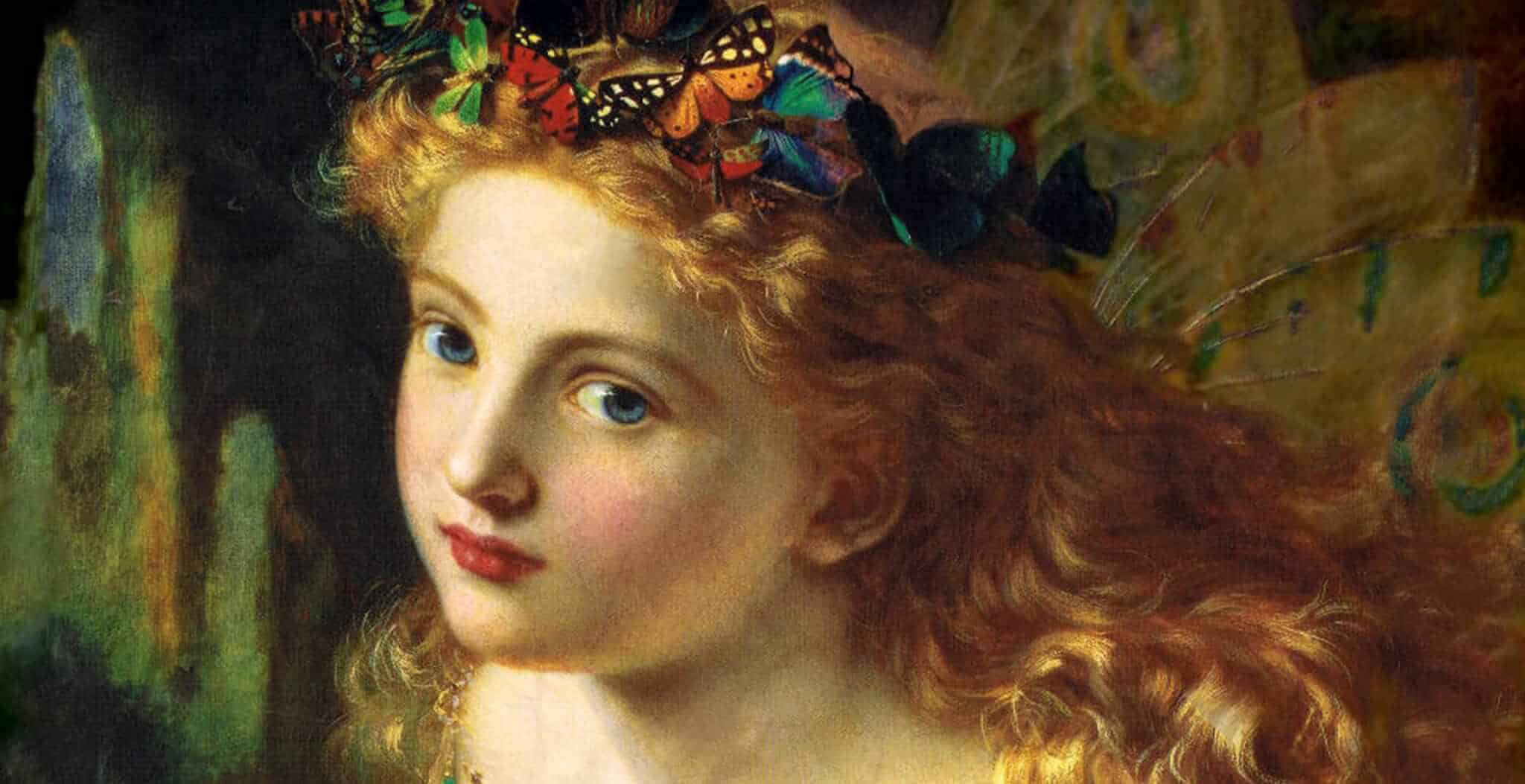
Fairy folklore credited Stone Age flint arrowheads to fairies as "elfshot," while explaining their green clothes and underground homes as camouflage and shelter from hostile humans. What kinds of beings were fairies in the folklore of European cultures? A Court of Thorns and Roses by Sarah J. Maas brings a 19-year-old woman into the faerie lands of Prythian and its faerie courts.
3 articles, 1 video, 1 book
The reading path
- ReadFairy · Wikipedia
Home-owners have knocked corners from houses when a corner blocked a fairy path, and cottages have been built with the front and back doors in line so the owners could, in need, leave them both open and let the fairies troop through all night. Paths that the fairies travel were wise to avoid. Fairy folklore's swapped-child theme reflected concern about infants thought to have unexplained diseases, disorders, or developmental disabilities. In pre-industrial Europe, a person who permanently drained a peasant family's scarce resources could threaten the survival of the entire family, whose subsistence often depended on each member's productive labor. Fairy folklore attributed Stone Age flint arrowheads to fairies as "elfshot"; their green clothing and underground homes spoke to a need for camouflage and covert shelter from hostile humans.
- ReadBritish Goblins: Welsh Folk-lore, Fairy Mythology, Legends and Traditions (1880) · Public Domain Review
A Bwbach, a friendly Welsh fairy who helps with chores, tormented a Baptist preacher in Cardiganshire who preferred prayers to ale, jerking his stool away and making dogs howl. The Bwbach finally appeared in the preacher's exact likeness; when the preacher came to, he packed up and left Cardiganshire never to return.
- Read"The Origins and History of Fairies" · historic-uk.com
Marsh gas makes flickering flames over marshy ground and gives rise to the belief in Jack-o-Lantern, or Will-o-the-Wisp, a highly dangerous fairy that haunts marshy ground and lures unwary travellers to their death in the bogs.
- WatchThe History of Fairies | The Dark & Tragic Stories You Were Never Told · Mythology & Fiction Explained
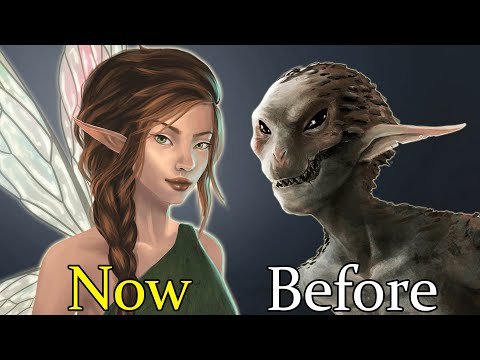
The video traces the history of fairies, what they are and where they came from, across regions of the world: changelings, leprechauns, pixies, brownies and boggarts, and banshees, as well as pagan deities and fallen angels.
- BookA Court of Thorns and Roses · Bookshop.org
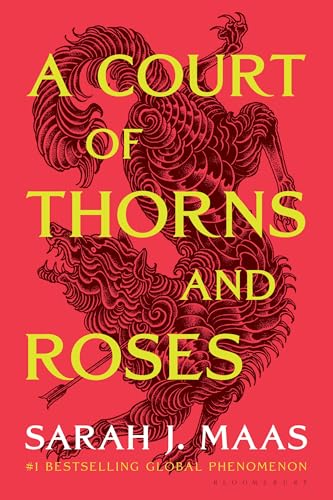
A Court of Thorns and Roses by Sarah J. Maas follows 19-year-old Feyre Archeron after she is brought into the faerie lands of Prythian, and her adventures across Prythian and its faerie courts. Maas first intended the series as a retelling of Beauty and the Beast, East of the Sun and West of the Moon, and Tam Lin.


Book links are Bookshop.org affiliate links. Curiate may earn a commission on purchases, at no extra cost to you — Bookshop.org also gives a share to independent bookshops.
Reading paths, built to arrive somewhere
Curiate turns what you are curious about into a short path — a quick lesson on an article, something to watch, and a book to go deep on. Free to browse.