the influence of folklore on modern media
Folklore is expressive culture shared by a group, including oral traditions such as tales, legends, proverbs, poems, and jokes, and its influence on modern media appears as these traditions are retold. What forms can folklore take as it moves through modern media, and how can readers understand those retellings? The lessons consider how stories and familiar forms are reshaped across media and shared between generations.
2 articles, 1 book · about 45 min of reading and viewing
The reading path
- Readthe influence of folklore on modern media · Wikipedia · 42 min read
New communication modes transform traditional stories into many different configurations: the fairy tale Snow White is offered in multiple media forms for children and adults, including a television show and video game. Children can teach artifacts learned from adults to other children, turning them into childlore, or transform them, as when Old McDonald's farm changes from animal noises to animal poop. This child-to-child retelling shows how folklore can be transformed as it is passed on.
- ReadThe Folklorist behind Scary Stories to Tell in the Dark - JSTOR Daily · JSTOR Daily · 3 min read
Alvin Schwartz's Scary Stories books, distinguished by Stephen Gammell's gruesome illustrations, were fervently swapped at school libraries and sleepovers; published in 1981, 1984, and 1991, the stories retold folklore in the plain style of folktales and urban legends.
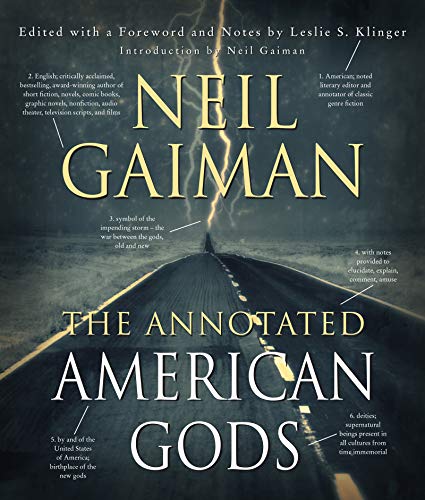
- BookAmerican Gods · Bookshop.org
American Gods by Neil Gaiman describes Shadow making his way home after his wife, Laura, dies in a mysterious car crash days before his release from prison.


Book links are Bookshop.org affiliate links. Curiate may earn a commission on purchases, at no extra cost to you — Bookshop.org also gives a share to independent bookshops.
Reading paths, built to arrive somewhere
Curiate turns what you are curious about into a short path — a quick lesson on an article, something to watch, and a book to go deep on. Free to browse.