How the role of media in society shapes public discourse
Media in society means forms of communication that reach large audiences and carry news, advocacy, entertainment, advertising, events, and public service announcements. The lessons answer how different media forms shape public discourse and help readers understand their role in shared public life. They consider how media formats and channels influence the ways public discussion develops.
2 articles, 1 video, 1 book · about 41 min of reading and viewing
The reading path
- Readthe role of media in society · Wikipedia · 23 min read
In society, mass media may include alternative outlets that use mass communication technology, even when their audiences are smaller than mainstream media. "Mass media" is sometimes used as a synonym for "mainstream media." The World Wide Web marked a new era for media in society: most individuals could have a means of exposure on a scale comparable to that of mass media. The Internet carries the Web, whose content is linked by hyperlinks and URLs. Mass media has played a large role in how white Americans perceive African Americans. Historical media focus on African Americans in contexts such as crime, drug use and gang violence has resulted in a distorted and harmful public perception.
- ReadThe IT Era and the Internet Revolution · Stratechery · 9 min read
Newspaper readers often click on whatever is in their Facebook feed, interspersed with advertisements that are more targeted and measurable than newspaper advertisements ever were. The Internet obliterated newspapers' control of distribution, the linchpin of their business model.
- WatchWhy Controlling the Masses Through Media No Longer Works | Jordan Greenhall | Big Think · YouTube · 9 min watch
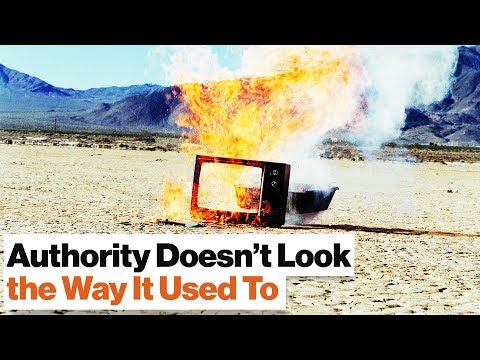
Neurohacker CEO Jordan Greenhall describes how the shift from top-down television broadcasting to interactive Internet media has changed how people receive information and make collective decisions.
- BookAmusing Ourselves to Death: Public Discourse in the Age of Show Business · Bookshop.org
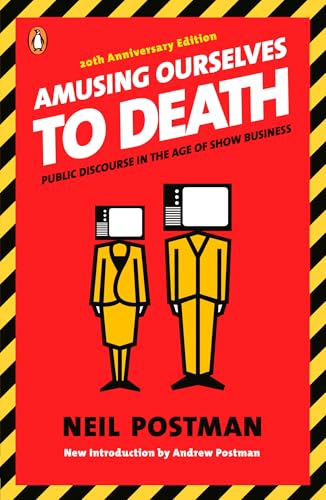
Amusing Ourselves to Death: Public Discourse in the Age of Show Business by Neil Postman examines the differences between written speech and televisual communication, which relies mostly on visual images to "sell" lifestyles.

Book links are Bookshop.org affiliate links. Curiate may earn a commission on purchases, at no extra cost to you — Bookshop.org also gives a share to independent bookshops.
Reading paths, built to arrive somewhere
Curiate turns what you are curious about into a short path — a quick lesson on an article, something to watch, and a book to go deep on. Free to browse.