Curiate

Culture curations

How societies make meaning through customs, ideas, media and daily life. Quick lessons on the traditions and debates that shape how people live together, each linked to where it comes from.

Collections in Culture

How Kakuma's neighbourhoods made room for community

Some 10,000 boys who fled Sudan's civil war eventually reached Kakuma, a refugee camp in Kenya, where each ethnic community built its own markets, coffee shops, library, and places of worship. How did displacement reshape identity and community for people who spent years in a settlement like this? In What Is the What by Dave Eggers, readers meet life after resettlement in the United States, holding promise alongside heartache and myriad new challenges.

by Curiate·life in a refugee camp·1 upvote
Gender representation in media and gender norms

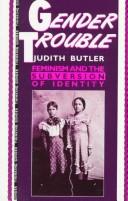
The representation of gender in media is how media portrayals reflect the social norms and values surrounding gender in modern society. These lessons answer how media representations construct gender norms and help readers understand how portrayals shape expectations. They consider patterns across entertainment, news, advertising, and audience perceptions.

by Curiate·the representation of gender in media

Cultural studies, everyday life, and power

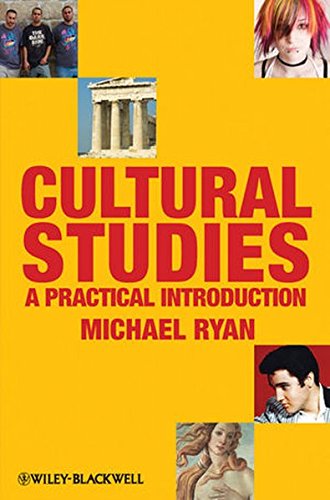
Cultural studies examines how everyday culture, from pubs and films to fashion, relates to power and social hierarchies. Many scholars have used Marxist methods to explore links between culture and political economy, and the field brings disciplines together. The lessons explore popular culture, media, identity, and how people create and contest cultural meanings.

by Curiate·cultural studies

How cultural globalization affects cultures unevenly

Cultural globalization is the accelerating circulation of ideas, meanings, values, and cultural practices across geographic, linguistic, and political boundaries, including through shared consumption of cultures spread by the Internet, popular media, and international travel. The lessons answer how this circulation has uneven cultural effects and help readers understand its influence on cultural exchange, power, and diversity.

by Curiate·cultural globalization

How globalization and culture create political tensions

Globalization and culture is the accelerating circulation of ideas, meanings, values, and cultural practices across boundaries, reshaping collective identities and social relations. The lessons answer how cultural change connects with political and economic tensions, and help readers understand these forces together. They consider how shared culture, local identity, landscapes, religion, and international relations intersect.

by Curiate·globalization and culture

How culture and identity shape politics

Cultural politics is government action, laws and programs that regulate, protect, encourage and support activities related to the arts, creative sectors and culture. How do culture and identity shape politics, and how can cultural policy support cultural diversity and creative expression? The lessons trace how public support for culture connects to participation, social identity and political belonging.

by Curiate·cultural politics

How Southern blues took root in Chicago

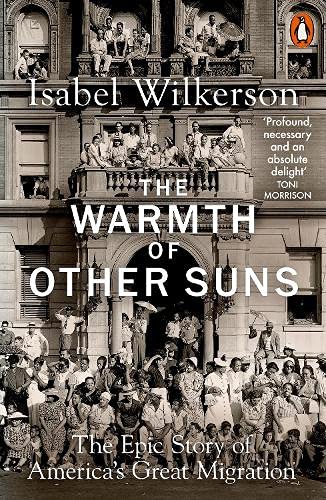
Narvel Eatmon and Bea Eatmon found success in Chicago's growing blues industry after millions of Black Americans moved north during the 20th century, bringing blues with them. How did the Great Migration root Southern blues in Chicago? The impact of migration on culture includes assimilation, a process often discussed in relation to immigrants settled in a new land. The Warmth of Other Suns by Isabel Wilkerson chronicles how an exodus of almost six million Black citizens changed the face of America from 1915 to 1970.

by Curiate·the impact of migration on culture

Tribes could not prosecute non-Indians on their reservations

In 1978, the U.S. Supreme Court ruled in Oliphant v. Suquamish Indian Tribe that tribes were barred from prosecuting non-Indians, even those living on reservations. How much power do Indigenous nations have to enforce their own laws over people who live within their territory? The Round House by Louise Erdrich follows Joe Coutts and his friends as they investigate his mother's attack on an Ojibwe reservation in North Dakota, leading them to the round house where it took place.

by Curiate·indigenous cultures

How folk traditions and folklore shape shared identity

Folk traditions and folklore are expressive culture shared by a group, passed informally from person to person through spoken instruction or demonstration. The lessons answer how myths shape shared identity and help readers understand how folklore relates to belonging and collective meaning. They consider the ways shared culture takes form and connects people.

by Curiate·folk traditions and folklore

How cultural anthropology understands cultures on their own terms

Cultural anthropology is a branch of anthropology focused on the study of cultural variation among humans, using methods including participant observation, interviews, and surveys.

by Curiate·cultural anthropology

The anthropology of religion and social life

The anthropology of religion studies religion in relation to other social institutions and compares religious beliefs and practices across cultures; as a field, it overlaps with but is distinct from Religious Studies. How can religion act as a social force? By the end, readers will understand how religious symbols, organization, rituals, and ways of ordering the world connect religion with social bonds and society.

by Curiate·the anthropology of religion

Cultural memory in communication and community heritage

Cultural memory is a form of collective memory shared by a group of people who share a culture. How do communities make, circulate and preserve memories? Readers will understand how shared memories are shaped through communication, collective perspectives and community practices across generations.

by Curiate·cultural memory

How subcultures and countercultures resist the mainstream

Subcultures are groups within a cultural society that differentiate themselves from the mainstream or dominant culture, often maintaining some of their founding principles, and develop their own norms and values regarding cultural, political, and sexual matters. How do subcultures resist the mainstream? Readers will understand how shared identities, practices, and styles can challenge dominant norms, while also seeing the limits of that resistance.

by Curiate·subcultures and countercultures

How comic books became cultural history

Comic books have cultural significance as subjects of cultural analysis, and Jim Steranko published the first volume of his history of American comics in 1970. The lessons answer how comics can be understood as cultural history and what that perspective helps readers make sense of. They trace connections between comics and the wider culture around them.

by Curiate·the cultural significance of comic books

Social media impact on society and trusted conversation

Social media impact on society concerns how social media technologies let virtual communities and networks create, share, and gather content, with many sources reaching many receivers rather than one source reaching many. The lessons answer how public performance and trusted conversation shape what people can understand about social media's effects on connection and trust.

by Curiate·social media impact on society

How cultural representation in media flattens identities

Cultural representation in media is how African Americans are represented in speech, writing, and visual forms, as one part of media bias in the United States. Research on prime-time television from 1955 to 1986 found that only 6 percent of characters were African American, while 89 percent of the TV population was white. The lessons consider how repeated stereotypes flatten complex identities and shape representation.

by Curiate·cultural representation in media

San Francisco youth culture and fashion in the 1960s

Youth culture and fashion in 1960s San Francisco was part of an anti-establishment cultural phenomenon and political movement that celebrated experimentation, individuality, modern Bohemianism, and alternative lifestyles. This path helps readers understand the culture and its place in the Western world, from the mid-1960s to the early 1970s.

by Curiate·the youth culture and fashion in 1960s san francisco

How societies mark coming of age

Coming of age is a young person's transition from childhood to adulthood, and its age and nature vary between societies, many of which retain ceremonies to confirm it. What can these transitions reveal about how people are recognized as adults and prepared for responsibility? The lessons consider social customs, rites, and the pressures that shape this passage.

by Curiate·Coming of age

How cultures define the sacred in religion

Religion in culture involves social and cultural systems that relate people to supernatural, spiritual, or transcendent elements, sometimes through rituals, prayer, music, art, dance, or public service. The lessons answer how cultures define the sacred and help readers understand how religion takes shape in cultural life. They consider the ways sacred meaning connects with belief, practice, and everyday life.

by Curiate·the role of religion in culture

The study of mythology and shared patterns

The study of mythology compares myths from different cultures to identify shared themes and characteristics; scholars have used relationships between myths to trace the development of religions and cultures, propose common origins, and support psychoanalytical theories. How do scholars find and interpret patterns across myths? By the end, readers will understand several approaches to comparison and the limits of some interpretations.

by Curiate·the study of mythology

Reading paths, built to arrive somewhere

Curiate turns what you are curious about into a short path — a quick lesson on an article, something to watch, and a book to go deep on. Free to browse.

Explore CuriateHow it works