Cultural studies, everyday life, and power
Cultural studies examines how everyday culture, from pubs and films to fashion, relates to power and social hierarchies. Many scholars have used Marxist methods to explore links between culture and political economy, and the field brings disciplines together. The lessons explore popular culture, media, identity, and how people create and contest cultural meanings.
2 articles, 1 video, 1 book
The reading path
- Readcultural studies · Wikipedia
Cultural studies treats pubs, living rooms, gardens, and beaches as "texts," alongside films, photographs, and fashion. By examining everyday meanings and practices as well as high culture, cultural analysis can illuminate hierarchies within and surrounding cultural texts. Critical cultural studies expanded tremendously in American universities as the field engaged with feminism, post-structuralism, postmodernism, and race. Its regional concerns also vary: human rights and third-world issues are central topics in Africa, while Latin American scholars address decoloniality, urban cultures, and postdevelopment theory.
- ReadCulture is ordinary: the politics and letters of Raymond Williams – Culture Matters · culturematters.org.uk
Raymond Williams, a cultural thinker, argued that workers did not simply absorb capitalist norms, but created their own meanings. He developed the concept of cultural materialism, arguing that culture had a material effect, and that socialism required collective, rather than elite, ownership of communication as well as production; diversity and real democracy were necessary for a vibrant socialist culture.
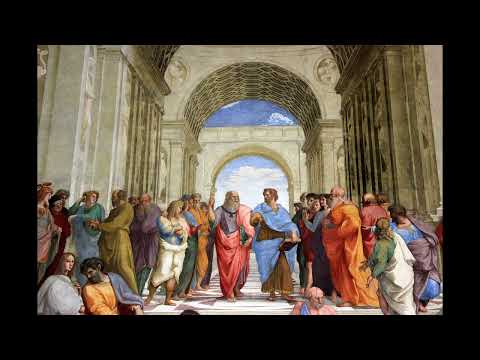
- WatchWestern Culture - Kwame Anthony Appiah (2016) · YouTube
From the video's description: Kwame Anthony Appiah, a philosopher and cultural theorist, argues that the idea of Western culture is mistaken: Islamic scholarship influenced it, and no one can claim exclusive ownership of culture. His lecture relates to cultural studies by examining how ideas about culture develop and who gets to define or claim them.
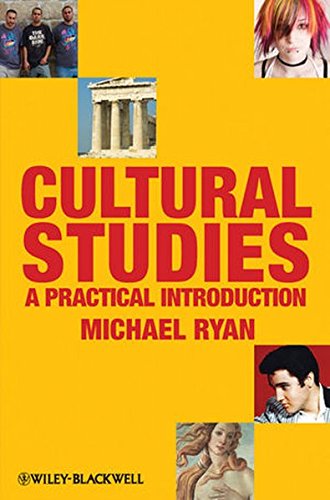
- BookCultural Studies: A Practical Introduction · Bookshop.org
In his 1994 book Introducing Cultural Studies, Ziauddin Sardar says cultural studies aims to understand culture in all its complex forms and analyze its social and political context. Sardar says one aim could be to examine cultural practices and their relation to power.
Book links are Bookshop.org affiliate links. Curiate may earn a commission on purchases, at no extra cost to you — Bookshop.org also gives a share to independent bookshops.
Reading paths, built to arrive somewhere
Curiate turns what you are curious about into a short path — a quick lesson on an article, something to watch, and a book to go deep on. Free to browse.