When cultural appropriation in fashion becomes harmful
Cultural appropriation in fashion is adopting elements of another culture or identity in a manner perceived as inappropriate or unacknowledged. Cultural elements that may have deep meaning in their original culture may be reduced to "exotic" fashion or toys by those from the dominant culture. The lessons explore when fashion borrowing may be harmful and how meaning, respect, and risk shape judgments about it.
2 articles, 1 book · about 50 min of reading and viewing
The reading path
- Readcultural appropriation in fashion · Wikipedia · 47 min read
In cultural appropriation in fashion, Victoria's Secret featured an imitation of a Native American warbonnet in 2012, worn by model Karlie Kloss; a Navajo Nation spokesman called it a "mockery." Cherokee academic Adrienne Keene wrote that the headdress must be earned and gifted to a trusted leader, and that making it a cheap commodity erases and disrespects its meaning. Writer Wanna Thompson popularized "blackfishing" in 2018 to describe female white social media influencers adopting a look perceived to be associated with black people, including braided hair, dark skin from tanning or make-up, and enhanced lips. Critics argue they take attention and opportunities from black influencers by appropriating their aesthetics and have likened the trend to blackface.
- Read"Is Cultural Appropriation in Fashion Offensive? Part – II" · universitytimes.ie · 3 min read
On cultural appropriation in fashion, this piece argues that wearing another culture's clothing in the spirit of beauty, culture and appreciation cannot be considered offensive. The piece would change its view if it were worn in mockery, irony or deliberate disrespect.
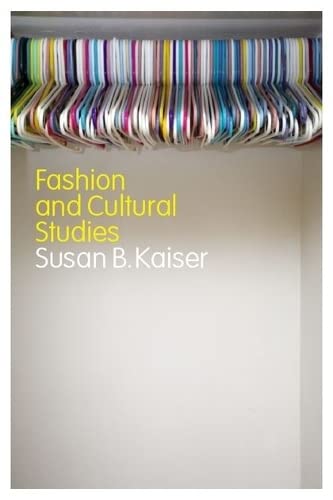
- BookFashion and Cultural Studies · Bookshop.org
Fashion and Cultural Studies by Susan B. Kaiser draws on cultural diversity in fashion, dress and style in the context of globalization and its varied cultural-historical underpinnings. Kaiser argues that ethnicity, class, gender and nation interact and overlap, using cross-cultural case studies to analyze fashion as a multi-ethnic, transnational phenomenon.

Book links are Bookshop.org affiliate links. Curiate may earn a commission on purchases, at no extra cost to you — Bookshop.org also gives a share to independent bookshops.
Reading paths, built to arrive somewhere
Curiate turns what you are curious about into a short path — a quick lesson on an article, something to watch, and a book to go deep on. Free to browse.