Curiate

Fashion curations

How clothes and style came to look the way they do, and how the fashion industry works behind them. Quick lessons on designers, materials and trends, with the history and criticism behind each one.

Collections in Fashion

How colonialism shaped post-colonial Indian fashion

The fashion landscape of post-colonial India is the fashion industry that grew from India's long clothing and textile traditions. This path helps readers understand how colonial rule, economic change and efforts to revive traditional crafts shaped the industry, and explores its history, designers and workers.

by Curiate·the fashion landscape of post-colonial india

Victorian Fashion in the United Kingdom and British Empire

The fashion of the Gilded Age in America is a subject concerning Victorian clothing fashions and trends that emerged and developed in the United Kingdom and the British Empire throughout the Victorian era, roughly from the 1830s through 1900. The period saw many changes in styles, fashion technology, and methods of distribution.

by Curiate·the fashion of the gilded age in america

Fashion sustainability, fast fashion and garment life

Fashion and sustainability practices are efforts within the fashion industry to reduce environmental impacts, protect garment workers and uphold animal welfare. How can fashion encourage longer garment life while addressing the costs of fast fashion and company decisions? By the end, readers will understand how repair incentives, production pressures and choices about unsold clothing shape sustainability efforts.

by Curiate·fashion and sustainability practices

When cultural appropriation in fashion becomes harmful

Cultural appropriation in fashion is adopting elements of another culture or identity in a manner perceived as inappropriate or unacknowledged. Cultural elements that may have deep meaning in their original culture may be reduced to "exotic" fashion or toys by those from the dominant culture. The lessons explore when fashion borrowing may be harmful and how meaning, respect, and risk shape judgments about it.

by Curiate·cultural appropriation in fashion

How disco fashion broke boundaries through self-expression

The fashion of the 1970s disco scene was part of a fashion era centered on individuality, with disco styles introducing platform shoes, bright colors, glitter, and satin.

by Curiate·the fashion of the 1970s disco scene

Fashion illustration as design communication

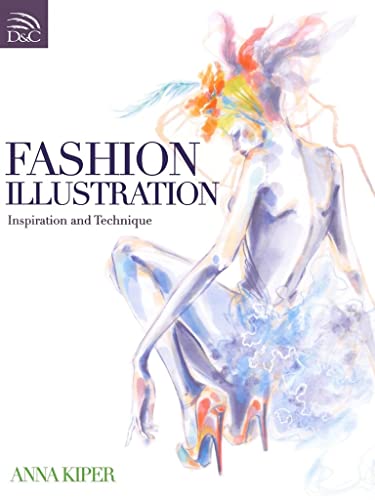
Fashion illustration is the art of communicating fashion ideas visually through drawing tools or design-based software, and is mainly used by fashion designers to brainstorm ideas on paper or digitally. How has it communicated fashion ideas across changing audiences and media? By the end, readers will understand how fashion illustration has served both practical design communication and creative expression.

by Curiate·fashion illustration

Fashion technology in garment design and production

Fashion technology concerns modern Western fashion design, which is often considered to have started in the 19th century with Charles Frederick Worth, although tailors had sewn in labels with their name since at least 1828. Only clothing created after 1858 is considered fashion design. The path explores design, fit, and production, including how patterns are shaped and garments are made.

by Curiate·fashion technology

How Anna Wintour made fashion a public spectacle

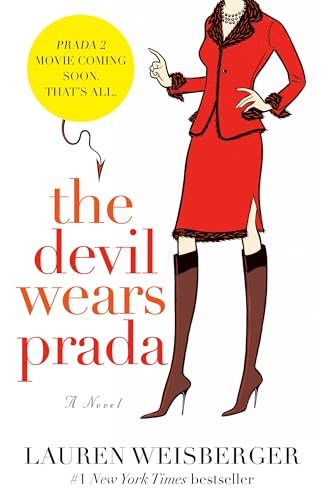
In 1995, Anna Wintour became a co-chair of the Met Gala and turned it into one of the major popular culture events of the year. How do fashion editors use magazines, editorial control, and celebrity culture to shape what the public sees as fashionable and desirable? The role of fashion in shaping public perception concerns fashion as an industry, designs, aesthetics, and trends, and as clothing, footwear, accessories, cosmetics, and jewellery that signify social status, self-expression, and group belonging. In The Devil Wears Prada by Lauren Weisberger, readers meet Andrea's demanding work at the top of the fashion world, where industry status and expectations affect workplace behavior.

by Curiate·the role of fashion in shaping public perception

Punk fashion in London as rebellion

The punk fashion movement in London is the clothing, hairstyles, cosmetics, jewellery, and body modifications of the punk counterculture. How did punk fashion turn style and making into forms of rebellion? By the end, you will understand how punk challenged social expectations through provocative expression, ethical choices, and creative reuse.

by Curiate·the punk fashion movement in london

19th-century Industrial Revolution fashion and women's dress

The fashion of the 19th century industrial revolution means clothing styles and trends that developed in the United Kingdom and the British Empire during the Victorian era, roughly from the 1830s through 1900. What can changes in women's dress help us understand about technology's influence on clothing? The lessons build an understanding of how technological change reshaped women's dress and its place in everyday life.

by Curiate·the fashion of the 19th century industrial revolution

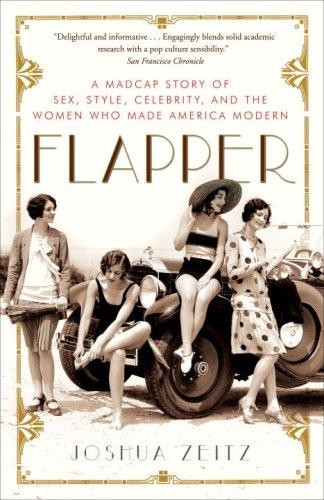
Roaring twenties fashion and the modern flapper woman

The fashion trends of the Roaring Twenties were a modernization of Western fashion, with women wearing looser clothing that revealed more of their arms and legs and men adopting less formal daily attire. How did dance and changing hemlines shape flapper fashion? By the end, readers will understand how movement and changing styles influenced women's clothing and its place in their lives.

by Curiate·the fashion trends of the roaring twenties

Reading paths, built to arrive somewhere

Curiate turns what you are curious about into a short path — a quick lesson on an article, something to watch, and a book to go deep on. Free to browse.

Explore CuriateHow it works