Curiate

Fitness curations

How the body gets stronger, how to move well, and what the evidence says about exercise. Quick lessons on training, recovery and habit, each linked to the article, video or book behind it.

Collections in Fitness

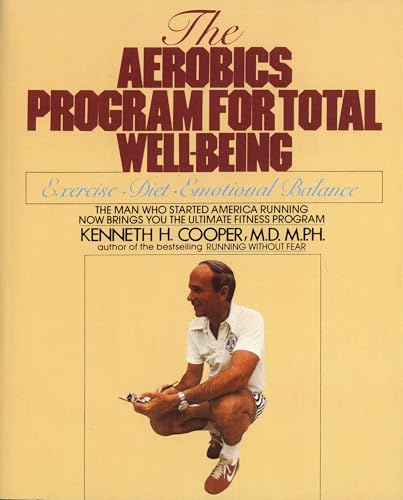
The rise of aerobics in the 1980s

At its 1981 peak, Jacki Sorensen's Aerobic Dancing Inc. had 1,500 locations and 4,000 instructors teaching 170,000 students. How did aerobics grow from Cooper's exercise programs into a fitness craze spread through franchises and home videos? The rise of aerobics in the 1980s involved exercise usually performed to music, with practitioners performing routines to prevent illness and promote physical fitness. The Aerobics Program for Total Well-Being by Kenneth H. Cooper describes a 1980s program combining exercise, nutrition and emotional health.

by Curiate·the rise of aerobics in the 1980s·1 upvote
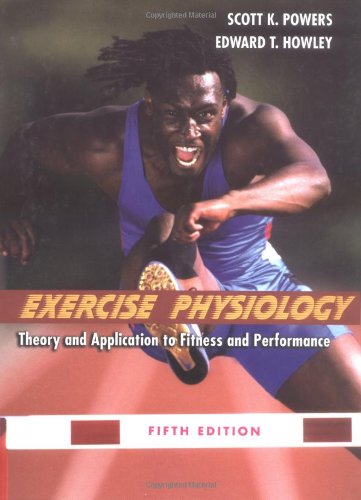
Exercise physiology and endurance capacity

Exercise physiology is the physiology of physical exercise and involves studying its acute responses and chronic adaptations. How do hydration and aerobic capacity relate to endurance exercise? By the end, readers will understand how fluid balance and measured aerobic capacity help explain differences in exercise performance.

by Curiate·exercise physiology·1 upvote

How to make exercise a lasting habit

Exercise adherence and motivation concern physical activity that improves or maintains fitness and overall health, with 150 minutes of moderate exercise a week usually recommended to reduce health risks. How can exercise become a lasting habit, and what helps people keep it up? The lessons consider how personal motivation, mindful attention, routines and social settings can support that change.

by Curiate·exercise adherence and motivation

How aerobic exercise changes the brain's cognitive function

Moderate Exercise Enhances Connectivity in Brain Circuits - Neuroscience News reports on a study that followed 65 adults, aged 59 to 80, who joined a walking group or stretching and toning group for a year. Researchers measured participants' brain connectivity and performance on cognitive tasks at the beginning of the study, at six months and after a year of either walking or toning and stretching.

by Curiate·how aerobic exercise changes the brain

The Sports Gene and the many factors behind athletic success

The Sports Gene is David Epstein's nonfiction book about how genetics and sports training affect human athleticism, published by Penguin Books in 2013. What shapes athletic success beyond genes, and how do training, learning, and environment matter? The lessons build an understanding of why no single factor can explain athletic achievement.

by Curiate·David Epstein on why no single gene decides athletic success in The Sports Gene

How exercise changes muscle function

The physiology of physical exercise studies how the body responds to exercise in the moment and adapts over time, including changes that affect capacity and strength. The lessons answer how exercise changes muscle function and what can limit performance. They connect these changes to the body's systems and the demands of physical activity.

by Curiate·How the body adapts to exercise and what limits performance

Endurance training and distance running performance

Endurance training is the act of exercising to increase endurance and generally refers to training the aerobic system rather than the anaerobic system. How do race demands and strength training relate to endurance performance? By the end, readers will understand how endurance training connects with distance running, complementary strength work, and efficient movement.

by Curiate·endurance training

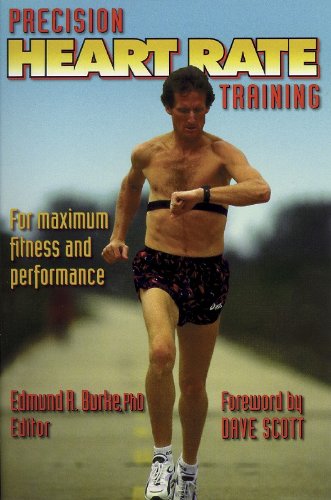
Personalizing heart-rate training zones for endurance athletes

Heart-rate training for endurance athletes uses heart rate, measured in beats per minute, which varies according to the body's physical needs, including its need to absorb oxygen and excrete carbon dioxide. How can athletes account for individual differences and fitness when setting training zones? By the end, readers will understand how to personalize zones and use them to support overall athletic performance.

by Curiate·Heart-rate training for endurance athletes

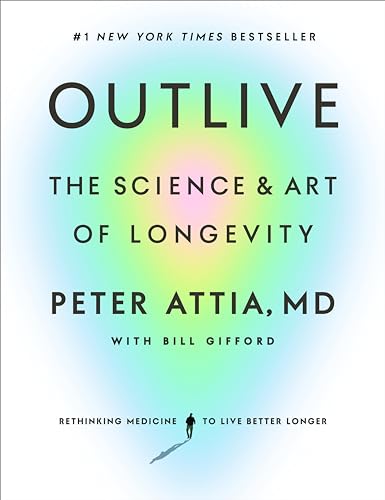
Peter Attia's Outlive on longevity and disease prevention

Outlive: The Science and Art of Longevity is a health and wellness book about longevity, written by physician Peter Attia with journalist Bill Gifford. The lessons answer how preventing disease can extend healthspan and help readers understand a more preventive approach to health. They consider how early attention and personalized strategies can support more years of life free from disease or disability.

by Curiate·Peter Attia's Outlive and the science and art of longevity

Outdoor and adventure fitness activities and benefits

Outdoor and adventure fitness is activity done outside, most commonly in natural settings, typically for physical exercise, general wellbeing, and spiritual renewal. What kinds of preparation, skills, and settings shape these activities, and how can outdoor activity support wellbeing? The lessons consider how people move through outdoor spaces and what helps them take part.

by Curiate·outdoor and adventure fitness

Reading paths, built to arrive somewhere

Curiate turns what you are curious about into a short path — a quick lesson on an article, something to watch, and a book to go deep on. Free to browse.

Explore CuriateHow it works