Curiate

Politics curations

How power is won, used and checked, in countries near and far. Quick lessons on elections, institutions and the arguments behind them, with the original reporting and analysis one tap away.

Collections in Politics

Post-colonial politics and colonial rule's lasting effects

Post-colonial politics is the academic study of colonialism's cultural, political and economic consequences, including its effects on colonized people and their lands. The lessons answer how colonial rule continues to shape political choices and societies after formal independence. They trace this through themes of representation, identity, resistance and economic power.

by Curiate·post-colonial politics·1 upvote

Who controls women's reproductive choices

Women's reproductive rights concern legal freedoms around reproduction and reproductive health, which vary among countries, and began developing as human rights at a 1968 United Nations conference. How do women's experiences reveal who controls their reproductive choices? The lessons consider the roles of law, care, and social expectations.

by Curiate·the experiences of women during the reproductive rights movement·1 upvote

Globalization and politics: winners, losers, and backlash

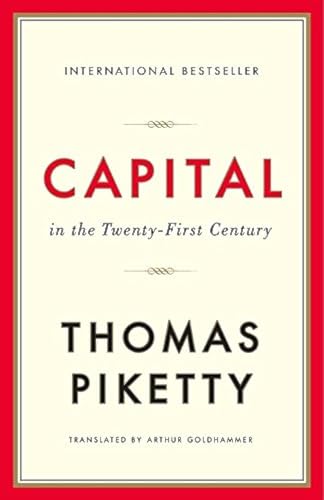
Globalization and politics concerns political globalization, one of three major areas in which academic literature commonly divides globalization, the process of increasing interdependence and integration among countries' economies, markets, societies, and cultures. The lessons answer who gains and loses from globalization, and how its uneven effects shape political backlash. They trace the tensions between global opportunity, national choices, and the distribution of benefits.

by Curiate·globalization and politics

Public policy analysis and lived urban experience

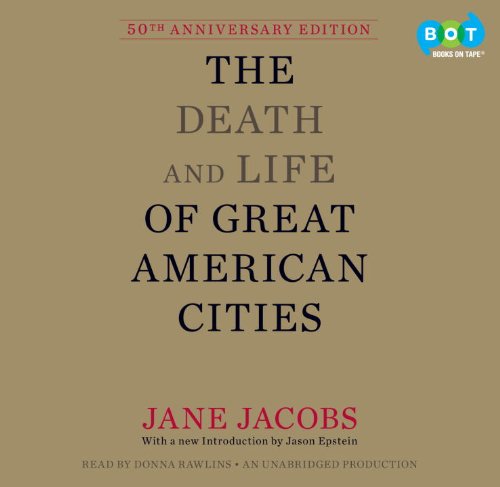
Public policy analysis examines and evaluates options for carrying out the goals of laws and elected officials, considering how each option relates to those goals. The lessons answer how policy analysis can account for lived urban experience when defining problems, evaluating alternatives and recommending policies. They connect community knowledge, research methods and planning choices to a broader understanding of how policy meets everyday life.

by Curiate·public policy analysis

Taxation policy and who bears its costs

Taxation policy is a government's guidelines and principles for imposing and collecting taxes, addressing fairness and efficiency as well as the overall amount collected and its impact on economic activity. Who bears the costs of taxation, and how are they distributed? The lessons show how tax burdens extend beyond payments to government, affecting administration, trade, households, workers, and shareholders.

by Curiate·taxation policy

What immigration policy governs

Immigration policy means the national laws, regulations, and legal precedents that govern immigration into and deportation from a country. The lessons answer how these rules shape entry and movement across borders, and what happens when policy and practice diverge. They connect questions of enforcement, migration pathways, and the consequences of border controls.

by Curiate·immigration policy

Human rights and international law address refugee displacement

Human rights and international law is the body of international law designed to promote human rights on social, regional, and domestic levels, made up primarily of treaties between sovereign states and customary international law.

by Curiate·human rights and international law

How political corruption erodes public trust

Political corruption and accountability concern government officials or their network contacts using power for illegitimate private gain, and how they are held responsible. The lessons answer how corruption erodes public trust and help readers understand its effects on confidence in government and democratic values.

by Curiate·political corruption and accountability

The influence of the Black Lives Matter movement

The influence of the Black Lives Matter movement includes advocacy for policy changes related to Black liberation and criminal justice reform. The movement gained international attention during global protests in 2020 following the murder of George Floyd by Minneapolis police officer Derek Chauvin.

by Curiate·the influence of the black lives matter movement

Geopolitics and the power of land and sea

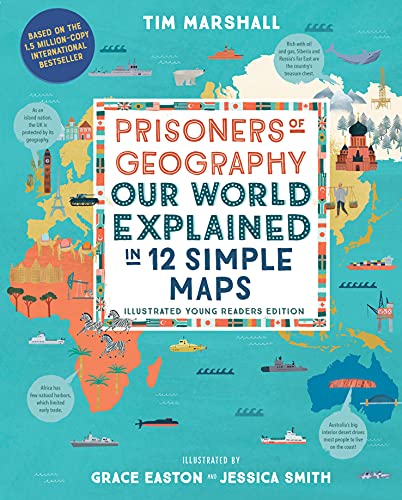
Geopolitics is the study of how Earth's geography affects politics and international relations; at the international level, it uses geographical variables to study foreign policy and understand, explain, and predict international political behavior. How can control of strategic land and sea shape the power of states? The lessons show how geographic position and access to resources and routes can support influence and constrain rivals.

by Curiate·geopolitics

How urban politics shapes city growth

Urban politics is politics within United States cities, where mayors or city councils run governments with limited governing power. The lessons answer how cities shape their growth and help readers understand how political relationships and economic forces influence that process. They trace the connections between governing coalitions, public policy, investment, and urban development.

by Curiate·urban politics

How nationalism and identity politics define belonging

Nationalism and identity politics is an ideology or movement that holds that the nation should match the state, promotes its interests and sovereignty over its perceived homeland, and seeks a single national identity based on shared social characteristics. The lessons answer how identity defines belonging and help readers understand how national identity is shaped and contested.

by Curiate·nationalism and identity politics

How the politics of immigration shapes restriction

The politics of immigration includes opposition to immigration, a political position seeking to restrict or ban legal and illegal immigration, from calls for reform to proposals for complete restriction or repatriation. The lessons answer how this politics shapes public support, fiscal debates, migration risks, border processes, and access to education. Together, they help readers understand the human and institutional stakes of immigration policy.

by Curiate·the politics of immigration

Political communication and group identity

Political communication is the practice or study of political messaging, such as in campaigns, speeches and advertising, often within mass media; it is an interdisciplinary subfield between communication studies and political science.

by Curiate·political communication

Political theory on authority, liberty, and power

Political theory is the study of the theoretical and conceptual foundations of politics. How should political authority and government be justified? By the end, readers will understand how competing views of human nature, liberty, social organization, and political power shape arguments about legitimate government and the pursuit of well-being.

by Curiate·political theory

Corporate governance structures, incentives, and accountability

Corporate governance refers to the mechanisms, processes, practices, and relations by which corporations are controlled and operated by their boards of directors, managers, shareholders, and stakeholders. How do governance arrangements, executive incentives, sustainability concerns, and governance principles shape corporate decisions? By the end, readers will understand how governance can balance interests, guide long-term performance, and support accountability.

by Curiate·corporate governance

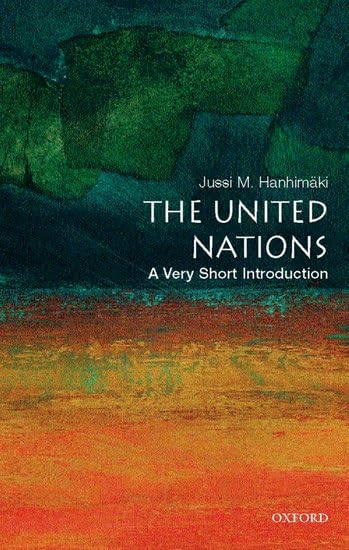
The United Nations' ambitions and limits

The history of the United Nations began with the Declaration of St James's Palace during World War II; in 1944 to 1945, US president Franklin D. Roosevelt pushed for the United Nations to replace the defunct League of Nations.

by Curiate·the history of the united nations

Foreign aid and development in practice

Foreign aid and development is assistance from governments and other agencies to support sustained economic, environmental, social, and political development in poor countries, rather than short-term relief. The lessons help readers understand how aid's promise compares with its practice, and what shapes the gap between them. They consider the political aims, funding choices, and project approaches that influence development assistance.

by Curiate·foreign aid and development

Political violence, state terror, and coercion

Political violence and terrorism is violence used to achieve political goals, often through asymmetric warfare when state and non-state actors have unequal power. The lessons answer how state terror and political violence take shape and what they reveal about the use of coercion. Together, they build an understanding of violence as a means of political control and contest.

by Curiate·political violence and terrorism

Reading paths, built to arrive somewhere

Curiate turns what you are curious about into a short path — a quick lesson on an article, something to watch, and a book to go deep on. Free to browse.

Explore CuriateHow it works