Curiate

Sports curations

How games, athletes and teams have shaped the body and the culture around them. Quick lessons on the history, science and stories of sport, from the playing field to the stands.

Collections in Sports

How football reflects society through sports and politics

Sports and politics, also called sports diplomacy, is the use of sport to influence diplomatic, social, and political relations, with positive and negative implications over history. What can football reveal about the ways sport and society shape one another? The lessons consider how football reflects social divisions, collective action, public opinion, and political power.

by Curiate·sports and politics

How baseball data can help teams build winners

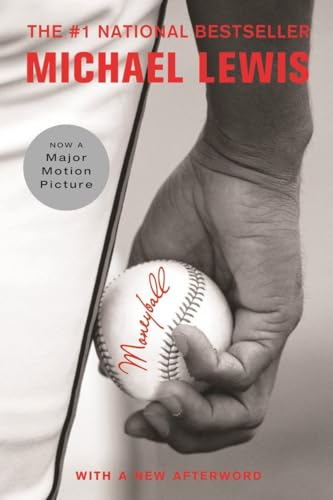
Sports analytics are collections of relevant historical statistics that help players, coaches, and staff make decisions, both on and off the field. These lessons answer how baseball data can help teams build winners. They trace how data informs decisions about players and on-field strategy.

by Curiate·sports analytics

Sports fandom and personal identity

Sports fandom is a community of fans sharing interests in sports, particularly spectator sports. How can supporting a team become part of a fan's personal identity? By the end, readers will understand how fandom can connect a person's sense of self to a team and its supporters.

by Curiate·sports fandom

Babe Ruth and the rise of the home run

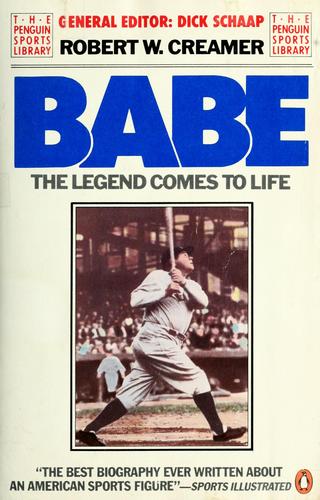
Babe Ruth and the rise of the home run describes how Ruth's big swing drew fans to the ballpark, boosted baseball's popularity, and helped usher in the live-ball era, with Ruth born in 1895. The lessons answer how his power transformed baseball and help readers understand its broader effect on the game. They follow the shift through themes of hitting, popularity, and changing play.

by Curiate·Babe Ruth and the rise of the home run

How beliefs shape motivation in sports psychology

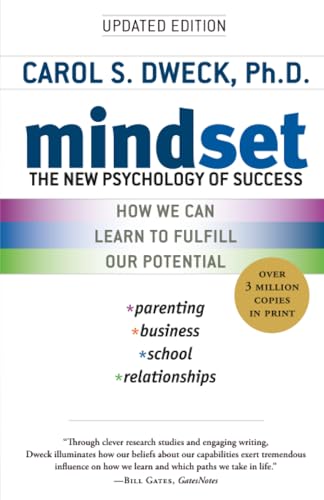
Sports psychology is the study of the mental foundations, processes, and effects of sport, including how thoughts and feelings affect performance and how sport affects well-being. The lessons answer how beliefs shape motivation and improvement, helping readers understand how athletes' reasons for participating can support or hinder progress. They connect motivation with goal setting, mental practice, and the environments that shape athletes' efforts.

by Curiate·sports psychology

How sports sociology connects sport to community values

Sports sociology studies sport as a social phenomenon, including the groups and structures involved and its economic, financial, and social impacts on players and society. These lessons answer how sport relates to community and social values, helping readers understand its place in shared life. They consider how sport connects communities, social roles, and competing values.

by Curiate·sports sociology

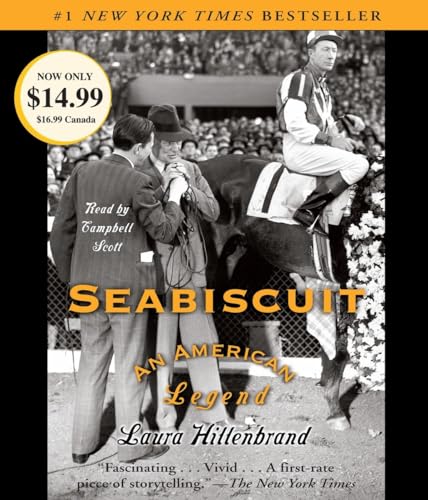
Thoroughbred racing, horse value, and Seabiscuit

Thoroughbred horse racing is racing with a horse breed developed for horse racing. What can its history and Seabiscuit's rise reveal about breeding, racing, and the people and horses involved? By the end, you'll understand how breeding traditions, physical traits, economic value, and a well-matched horse-and-rider partnership shape the sport.

by Curiate·Thoroughbred horse racing

Sports performance enhancement, doping, and athletic potential

Sports performance enhancement in competitive sports means athletes use banned drugs to cheat, a practice considered unethical and prohibited by most international sports organizations, including the International Olympic Committee. In 2003, Wade Exum gave Sports Illustrated documents about athletes who failed drug tests, and the lessons help readers understand the pressures and considerations surrounding performance enhancement.

by Curiate·sports performance enhancement

How Los Angeles revived the Olympics

The 1984 Summer Olympics, officially the Games of the XXIII Olympiad and commonly known as Los Angeles 1984, were an international multi-sport event held from July 28 to August 12, 1984, in Los Angeles, California, United States. They are widely considered to be the most financially successful modern Olympics.

by Curiate·the story of the 1984 los angeles olympics

Sports coaching, from professional role to athlete development

Sports coaching is the direction, instruction, and training of a sports team or athlete, and the role gradually professionalized in the Victorian era and was well established by 1914. How do coaching history, knowledge, relationships, and practice shape athlete development? By the end, readers will understand how coaching combines professional judgment, supportive environments, and deliberate practice to help athletes grow.

by Curiate·sports coaching

Extreme sports, environmental risk, and high-altitude climbing

Extreme sports, or action sports, are activities perceived as involving a high degree of risk of injury or death, often involving speed, height, a high level of physical exertion, and highly specialized gear. How do environmental conditions and participants' experiences shape extreme sports? By the end, readers will understand how nature, sporting spectacle, and the physical and psychological demands of climbing intersect.

by Curiate·extreme sports

How sports journalism balances access and honesty

Sports journalism is writing that reports on sporting topics and competitions, from play by play and game recaps to analysis and investigations of important developments. These lessons answer how sportswriters can balance access to teams and subjects with honest reporting. They consider the pressures and relationships that shape sports coverage.

by Curiate·sports journalism

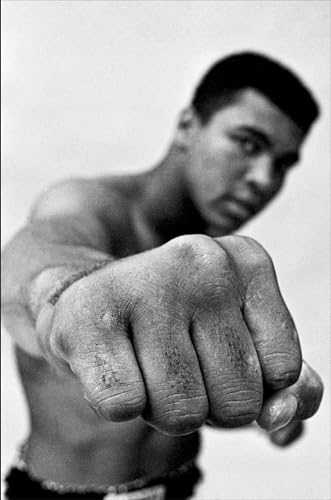
How Muhammad Ali's boxing met political defiance

Muhammad Ali's career and the politics of boxing concerns Muhammad Ali, an American professional boxer and activist, and his 1967 refusal to be drafted into the military because of his religious beliefs and ethical opposition to the Vietnam War, for which he was found guilty of draft evasion and stripped of his boxing titles.

by Curiate·Muhammad Ali's career and the politics of boxing

How Jackie Robinson broke baseball's color line

Jackie Robinson and the integration of baseball concern Robinson becoming the first African American to play in Major League Baseball in the modern era, breaking its color line in 1947. The lessons answer how he broke that line and help readers understand the choices and challenges involved. They follow the transition from recruitment to the major leagues.

by Curiate·Jackie Robinson and the integration of baseball

Reading paths, built to arrive somewhere

Curiate turns what you are curious about into a short path — a quick lesson on an article, something to watch, and a book to go deep on. Free to browse.

Explore CuriateHow it works