Curiate

Music curations

How music is written, performed and heard, from the earliest songs to the latest sounds. Quick lessons on instruments, genres and the people who shaped them, with recordings and essays one tap away.

Collections in Music

Opera's changing forms and reach

The history of opera has a relatively short duration within the context of the history of music in general. How have opera's forms, audiences, national roles, and circulation changed? By the end, readers will understand how social and cultural contexts shaped opera's forms and helped it reach different audiences.

by Curiate·the history of opera·1 upvote
Music's cultural roles across history and society

The role of music in culture reflects music's generally agreed status as a cultural universal present in all human societies, where it often plays a key role in social events and religious ceremonies. How does music connect people, respond to technological change, and shape empathy? By the end, readers will understand how music's cultural roles emerge through shared practices, historical change, and emotional responses.

by Curiate·the role of music in culture·1 upvote

How producers shaped the Nashville sound

The Nashville sound was a smoother kind of country music that replaced rough honky tonk with strings, choruses, polished vocals and pop tempos, in an effort to revive sales after rock and roll rose. How did producers shape this change, and what can their choices help us understand about Nashville country? The lessons follow production's role in shaping a smoother sound for wider audiences.

by Curiate·the evolution of country music in nashville during the 1960s·1 upvote

How Seattle grunge was packaged and sold

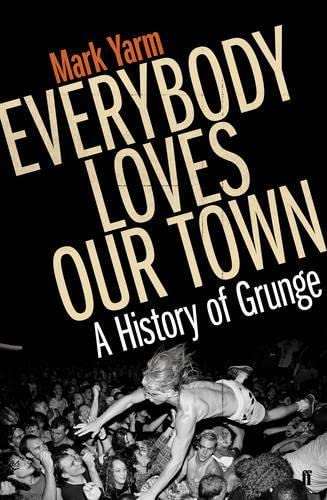
The underground music scene in 1990s Seattle was associated with grunge, which fused punk rock and heavy metal and incorporated influences from indie rock bands such as Sonic Youth, Pixies, and Dinosaur Jr. How did grunge become a marketable identity, both locally and beyond Seattle? By the end, readers will understand how music, media, and marketing helped shape and spread that identity.

by Curiate·the underground music scene in 1990s seattle·1 upvote

The birth of rock and roll from Black roots to Elvis

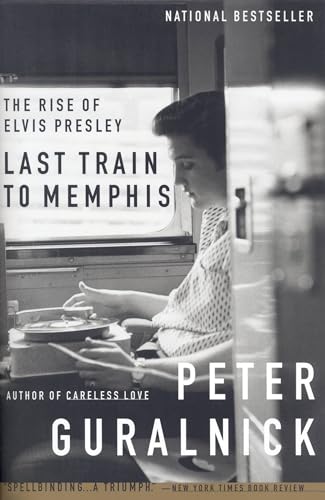
The birth of rock and roll in the 1950s was the electrification and acceleration of African-American musical traditions, rooted in rhythm and blues combined with boogie-woogie and shouting gospel or with country music of the 1940s and 1950s. The lessons answer how these roots shaped the music and its path to Elvis. They trace connections between Black musical traditions and the wider music culture.

by Curiate·the birth of rock and roll in the 1950s·1 upvote

How the evolution of popular music reaches mass audiences

Popular music is music with wide appeal, usually distributed to large audiences through the music industry, and the term first applied to music of the 1880s Tin Pan Alley period in the United States. The lessons answer how music reaches mass audiences and help readers understand the forces shaping its reach. They trace the changing relationship between music, media, and audiences.

by Curiate·the evolution of popular music

Jazz history and its changing styles

The history of jazz music is the story of a genre that originated in African-American communities in New Orleans in the late 19th and early 20th centuries, and its first documented use in a musical context there was in 1916. The lessons answer how jazz's roots and changing styles shaped its development. They follow broad changes in the music's sounds, ensembles and approaches to improvisation.

by Curiate·the rise of jazz in new orleans

How music notation systems shape music

Music notation systems are systems used to visually represent music. How do notation systems shape what musicians perform and create? The lessons show how notation reflects the priorities of musical traditions and can enable or constrain musical possibilities.

by Curiate·music notation systems

How classical music forms change over time

Classical music forms are the structures of musical compositions or performances, referring to a composition's largest shape. What can these structures help you understand about how musical forms change over time? The lessons consider how larger forms relate to their parts and how those relationships shift.

by Curiate·classical music forms

How world music traditions shape cultural identity

World music is an English phrase for styles of music from primarily non-English-speaking countries, including traditional, quasi-traditional, and intercultural music, and became a marketing category for non-Western traditional music. The lessons answer how music connects to place and cultural identity, and help readers understand the cultural ties and changes that shape musical traditions. They consider how music travels, blends, and sustains community bonds.

by Curiate·world music traditions

How the history of jazz music evolved

The history of jazz music traces a genre that originated in African-American communities in New Orleans, Louisiana, in the late 19th and early 20th centuries, and has been recognized as a major form of musical expression in traditional and popular music since the 1920s Jazz Age.

by Curiate·the history of jazz music

How folk music records everyday life

The influence of folk music is a music genre that includes traditional folk music and the contemporary genre that evolved from it. How do folk songs record everyday life? By the end, you'll understand how folk traditions preserve work, personal stories, and social concerns across different settings.

by Curiate·the influence of folk music

Music therapy and the brain

Music therapy uses music in a clinical setting to meet therapeutic goals and address clients' needs in one or more areas of human functioning. What can understanding how music engages the brain help us make sense of its role in communication, behavior, motivation, memory, and emotion? The lessons connect these themes to show how music can engage people through listening and making music.

by Curiate·music therapy

Sound art, listening, and spatial experience

Sound art uses sound as a primary medium that unfolds over time, and may sit within visual art, experimental music, or both. The lessons answer how seeing and hearing shape art, helping readers understand how sound and space influence one another. They consider how artistic experiences take form through listening and perception.

by Curiate·the intersection of music and visual art

How improvisation becomes spontaneous composition

Improvisation in music is making music in the moment, combining performance with emotional communication and spontaneous responses to other musicians. These lessons answer how spontaneous composition works and how musicians can prepare for it. They trace how musical structures and frameworks support creative expression.

by Curiate·the role of improvisation in music

Music education methodologies for meaningful learning

Music education methodologies are distinctive approaches to teaching music; some were developed or further refined during the 20th century. How can these approaches make learning meaningful to learners? By the end, you will understand how varied teaching practices can support musical growth through active engagement, cultural connection, and creative music-making.

by Curiate·music education methodologies

Motown's crossover appeal and racial integration

The golden age of Motown in Detroit included Gordy helping write six more Wilson A-sides during the next eighteen months, including "Lonely Teardrops," a peak-popular hit of 1958. What can we understand about Motown's crossover appeal and its relationship to racial integration? The lessons trace how music, performance, and efforts to reach wider audiences shaped that connection.

by Curiate·the golden age of motown in detroit

Reading paths, built to arrive somewhere

Curiate turns what you are curious about into a short path — a quick lesson on an article, something to watch, and a book to go deep on. Free to browse.

Explore CuriateHow it works