Jazz history and its changing styles
The history of jazz music is the story of a genre that originated in African-American communities in New Orleans in the late 19th and early 20th centuries, and its first documented use in a musical context there was in 1916. The lessons answer how jazz's roots and changing styles shaped its development. They follow broad changes in the music's sounds, ensembles and approaches to improvisation.
3 articles, 1 book
The reading path
- Readthe history of jazz music · Wikipedia
Duke Ellington, a jazz pianist, composer, and bandleader, and bandleader Fletcher Henderson created the Big Band sound, with more than one musician playing each instrument. Ellington's signature sound incorporated mutes and growl techniques in the horns; Charlie "Yardbird" Parker was a jazz saxophonist considered by historians to be one of the great jazz pioneers.
- BookJazz: A History · Bookshop.org
Hot jazz is a rapid rhythmic style of jazz that Louis Armstrong, a trumpet prodigy, helped develop. Jazz went north to Chicago in the late 1910s with some New Orleans jazz groups and performers, such as King Oliver's Creole Jazz Band; early-twenty-first-century music critics and historians generally agree that jazz consists of a "collectively improvised music, with syncopated rhythms over a strong underlying pulse".
- ReadJazz | Encyclopedia.com · encyclopedia.com
Hard bop is bebop music with influences from blues, rhythm and blues, and gospel, especially in saxophone and piano playing. Jazz-rock fusion combined jazz improvisation with rock rhythms, electric instruments and rock's highly amplified stage sound; AllMusic says jazz and rock were nearly completely separate until around 1967, but as rock musicianship improved and some jazz musicians grew bored with hard bop, the idioms began trading ideas and occasionally combining forces.
- ReadJazz | Encyclopedia.com · encyclopedia.com
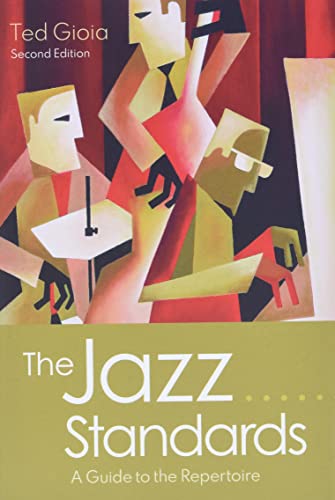
Jazz by Ted Gioia describes New York in the 1920s as jazz's wild age, when old values began to break down.
Book links are Bookshop.org affiliate links. Curiate may earn a commission on purchases, at no extra cost to you — Bookshop.org also gives a share to independent bookshops.
Reading paths, built to arrive somewhere
Curiate turns what you are curious about into a short path — a quick lesson on an article, something to watch, and a book to go deep on. Free to browse.